The dog stops being “man’s best friend” real fast the moment it sinks its teeth into someone’s arm. And once the shock wears off, victims are left standing there with a bleeding wound and absolutely no idea what to do next. Do you call the police? Do you talk to the owner? Does insurance even cover this? Most people have never had to think about any of this until it’s happening to them or their child.
Knowing your rights after a dog bite isn’t just legal trivia. It’s the difference between getting your medical bills covered and quietly eating the cost yourself because you didn’t know what steps actually protect a claim. This guide walks through exactly what to do, in what order, and what legal options are realistically on the table once the immediate danger has passed.
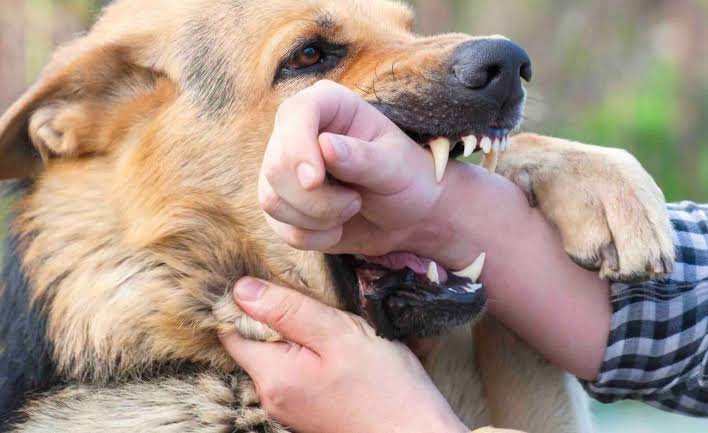
What to Do in the First Few Hours
The moments right after a bite matter more than most victims realize. Clean the wound immediately and seek medical attention, even if the bite looks minor on the surface. Dog bites carry a real risk of infection, and a wound that seems superficial can turn serious within a day or two if it’s not properly treated.
While you’re still at the scene, or shortly after, try to get the owner’s name, address, and contact information, along with details about the dog itself, including whether it’s vaccinated for rabies. If there were any witnesses nearby, ask for their names and phone numbers before they walk away. Witnesses tend to be impossible to track down later, so this step genuinely can’t wait.
Reporting the Bite Properly
Many people skip this step entirely, either out of politeness toward the owner or because they don’t realize it’s necessary. Reporting the bite to local animal control or the police creates an official record of the incident, which becomes valuable evidence later if the case moves toward a claim.
This report typically includes the date, location, and circumstances of the bite, along with a description of the dog and its owner. If the dog has bitten someone before, this report can also trigger a review of the animal’s history, which may support your case if your state requires proof that the owner knew the dog was dangerous.
Documenting Everything Before It Disappears
Evidence in dog bite cases has a short shelf life. Photograph the wound immediately, and continue photographing it as it heals over the following days and weeks, since visible progression can matter for calculating damages later. Photograph the location where the bite occurred too, especially if there’s a broken fence, an unleashed dog in a leash-required area, or any signage indicating the property owner was aware of a risk.
Keep every piece of paperwork connected to the incident. This includes emergency room records, prescription receipts, follow-up appointment summaries, and any paperwork related to time missed from work. These documents form the backbone of your claim, whether it eventually gets resolved through insurance or through a lawsuit.
Understanding Who You’re Actually Filing Against
Most people assume the claim goes directly against the dog owner personally, and while that’s often true, it’s not always that simple. In many cases, the claim is actually paid out through the owner’s homeowners or renters insurance policy rather than out of their own pocket. This is actually beneficial for victims, since it means there’s usually a real, insured source of compensation behind the claim rather than relying on an individual’s personal finances.
Sometimes liability extends beyond the direct owner. If a landlord knew about a tenant’s aggressive dog and did nothing despite complaints, or if a business allowed an unleashed, known-dangerous dog on its premises, additional parties may share responsibility. Identifying every potentially liable party early on can significantly affect how much compensation your family or you ultimately recover.
Filing an Insurance Claim
Once you’ve gathered your documentation, the next practical step is usually filing a claim against the dog owner’s homeowners or renters insurance. You’ll typically need to provide the incident report, medical records, photographs, and a written account of what happened.
Insurance adjusters, much like in any injury claim, are trained to minimize payouts. They may offer a quick settlement shortly after you file, hoping you’ll accept before understanding the full extent of your medical costs, especially if scarring, nerve damage, or psychological effects take time to fully surface. Resist the urge to accept the first number offered without carefully reviewing whether it actually covers your current and anticipated future expenses.
When a Lawsuit Becomes Necessary
Not every dog bite case needs to end up in court, but some do, particularly when the insurance company denies the claim outright, offers a settlement that doesn’t come close to covering your losses, or when the dog owner doesn’t have adequate insurance coverage at all.
Filing a lawsuit typically starts with a formal complaint outlining what happened, who’s responsible, and what compensation you’re seeking. From there, both sides exchange evidence and can potentially reach a settlement before ever stepping into a courtroom. Most personal injury cases, including dog bite claims, do eventually settle rather than going to trial, but having the option to file suit gives your case real negotiating weight during settlement discussions.
What Determines How Strong Your Case Is
A few factors consistently determine how strong a dog bite case turns out to be. The severity of the injury matters, obviously, but so does the clarity of the circumstances. A case where you were lawfully on the property and did nothing to provoke the dog is considerably stronger than one involving disputed facts about who was where and what happened right before the bite.
Documentation quality plays a huge role too. Cases backed by clear photographs, prompt medical records, and witness statements tend to resolve faster and for higher amounts than cases where evidence is thin or came together weeks after the fact.
Common Mistakes That Weaken a Claim
A handful of avoidable mistakes come up again and again in dog bite cases. Waiting too long to seek medical treatment is one of the most damaging, since it creates gaps that insurance companies use to argue the injury wasn’t as serious as claimed, or that something else caused the harm.
Giving a recorded statement to the insurance adjuster without fully understanding your rights is another common misstep. Adjusters are skilled at asking questions in ways that can make an injury sound less severe than it actually is. Posting about the incident on social media is also risky, since insurers do monitor these accounts looking for anything that contradicts the claimed extent of your injuries or emotional distress.
What Compensation Can Actually Cover
Victims pursuing a dog bite claim can generally seek compensation across several categories. Medical expenses form the core of most claims, covering emergency treatment, follow-up care, physical therapy, and in more serious cases, plastic surgery or scar revision procedures.
Lost income is recoverable if the injury kept you from working, along with compensation for pain and suffering, particularly in cases involving significant scarring, disfigurement, or lasting psychological effects like a fear of dogs that didn’t exist before the attack. In cases involving children, courts and insurers often give special weight to the long-term emotional impact, since facial scarring or trauma at a young age can affect a child well into adulthood.
Working With an Attorney Versus Handling It Yourself
Minor bites with clear liability and modest medical bills can sometimes be resolved directly with the insurance company without hiring an attorney. But once the injury becomes more serious, involves a child, or the insurance company starts disputing liability or lowballing the offer, having legal representation tends to make a meaningful difference.
Most dog bite attorneys work on a contingency basis, meaning there’s no upfront cost, and they only get paid if you receive compensation. This removes much of the financial risk of at least having your case reviewed by someone experienced in negotiating these specific types of claims.
Time Limits You Can’t Afford to Miss
Every state sets its own statute of limitations for filing a dog bite claim, generally ranging from one to several years from the date of the incident. If a government-owned animal, like a police dog, was involved, the deadline shrinks considerably and often requires formal notice within just a few months.
Waiting too long doesn’t just risk missing the legal deadline. It also means evidence fades, witnesses become harder to track down, and insurance companies grow more skeptical of claims filed long after the fact. Acting promptly protects both your legal rights and the overall strength of your case.
FAQs
Q1. Should I talk directly to the dog owner about compensation, or go straight through insurance?
It’s usually better to let the insurance process handle compensation rather than negotiating informally with the owner. Verbal agreements between neighbors or acquaintances often fall apart once medical bills grow larger than expected, and going through insurance creates a documented, enforceable process instead.
Q2. What if the dog owner doesn’t have homeowners or renters insurance?
This makes things more complicated, but not necessarily hopeless. You may need to pursue the owner directly for personal assets, or explore whether another party, like a landlord or property manager, shares liability. An attorney can help evaluate whether pursuing a judgment against the owner personally is realistically worthwhile based on their financial situation.
Q3. How long should I wait before accepting a settlement offer from the insurance company?
There’s no fixed timeline, but you shouldn’t accept anything until you have a clear picture of your total medical costs, including any ongoing treatment, physical therapy, or potential future procedures like scar revision. Accepting too early, before injuries fully heal or reveal their long-term impact, often means settling for far less than the case is actually worth.
Q4. Can I still file a claim if I don’t know who owns the dog?
It’s harder, but not impossible. Animal control reports, neighborhood canvassing, and even local social media groups sometimes help identify an owner after the fact. If the dog was a stray or the owner truly can’t be identified, your options may shift toward your own health insurance or, in some cases, uninsured incident funds depending on your state.