A brain injury doesn’t announce itself the way a broken bone does. You walk away from a car accident feeling physically fine, and weeks later you’re struggling to remember conversations, snapping at your family for no reason, and unable to concentrate long enough to finish a report at work. Then the insurance company tells you there’s “no evidence” of any injury because your CT scan came back clean. This is exactly the trap brain injury victims fall into, and understanding how the claims process actually works protects you from having your genuine suffering dismissed.
Unlike a visible wound, proving a traumatic brain injury requires a specific, methodical evidence-building process. Here’s exactly how it works, step by step, from the moment of injury to final compensation.
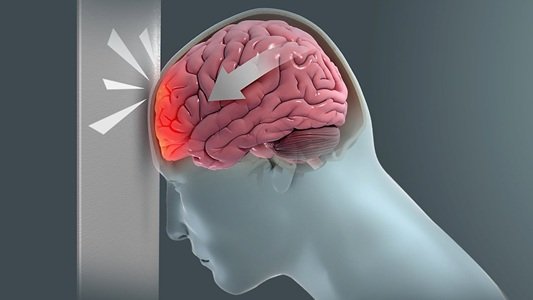
Step One: Seeking Immediate Medical Attention and Documenting Everything
Everything starts with getting evaluated right away, even if you feel physically okay. Many brain injury symptoms, memory problems, difficulty concentrating, mood changes, don’t fully emerge until days or weeks after the incident. Delaying evaluation creates a documentation gap that insurers later use to argue your symptoms aren’t genuinely connected to the incident.
Keep detailed records from the very beginning: every medical appointment, every symptom you’re experiencing, and how these symptoms are affecting your daily life and work. This ongoing documentation becomes essential evidence, since brain injuries are unique in requiring a longitudinal picture of impact rather than a single diagnostic snapshot.
Step Two: Getting the Right Imaging and Initial Diagnosis
Standard imaging like a CT scan often appears completely normal in mild traumatic brain injury cases, even when genuine cognitive symptoms exist. This is exactly why more advanced techniques matter so much. Diffusion tensor imaging and functional MRI can reveal disruptions in neural connectivity that conventional imaging misses entirely, providing objective evidence that counters the common defense argument that normal imaging means no real injury exists.
Severe traumatic brain injuries are typically far less contested at this stage, since Glasgow Coma Scale scores, loss of consciousness duration, and clear imaging findings usually establish the injury’s existence and severity without much dispute.
Step Three: Undergoing Neuropsychological Testing
This step is often the single most important piece of evidence in a brain injury claim, particularly for milder cases where standard imaging looks normal. Neuropsychological testing involves a clinical interview covering your history and symptoms, often with input from a family member, followed by standardized cognitive tests measuring memory, attention, processing speed, executive function, and language ability, along with an emotional and personality assessment.
Timing matters considerably here. Testing conducted too soon after the injury might not reveal the full scope of cognitive deficits, while waiting too long opens the door for the defense to argue something else caused your symptoms. Most brain injury cases benefit from testing performed somewhere between three months and one year after the incident, giving your recovery enough time to stabilize while still connecting symptoms clearly to the original injury.
Step Four: Building a Longitudinal Treatment Record
Beyond the initial neuropsychological evaluation, ongoing treatment records from neurologists, rehabilitation specialists, physical therapists, occupational therapists, and speech-language pathologists create a genuine picture of how your injury has evolved over time. Some cases even involve follow-up neuropsychological testing at intervals, say two months and then again at one year, to document whether cognitive deficits are improving, staying the same, or revealing a pattern of partial recovery with permanent limitations remaining.
Consistent, thorough documentation demonstrates both the genuine severity of your injury and your commitment to recovery, which strengthens your claim’s credibility considerably. Gaps in treatment or skipped appointments give insurers a genuine opening to argue you either weren’t as injured as claimed or failed to properly pursue your own recovery.
Step Five: Consulting an Attorney With Genuine Brain Injury Experience
Not every personal injury attorney has real experience specifically with traumatic brain injury cases, and this distinction matters enormously given how technical and medically complex these claims genuinely are. An attorney unfamiliar with neuropsychological testing standards, appropriate expert witnesses, or how to counter insurers’ common tactics of dismissing cognitive symptoms may significantly undervalue your case.
Your attorney’s early involvement also matters for evidence preservation, since accident scene photos, witness statements, vehicle event-data recorders, and other time-sensitive evidence need to be gathered while still fresh, well before memories fade or physical evidence disappears.
Step Six: Bringing In Expert Witnesses
Medical experts play a genuinely crucial role in translating complex neurological findings into terms judges, juries, and insurance adjusters can actually understand. Treating physicians, neurologists, and neuropsychologists typically testify about your diagnosis, the trajectory of your recovery, and your long-term prognosis.
This expert testimony becomes especially important in milder TBI cases, where structural imaging might not show anything abnormal despite genuine symptoms like headaches, fatigue, and difficulty concentrating. A qualified expert can explain exactly why these symptoms are entirely consistent with a brain injury and shouldn’t be dismissed simply because a scan looks normal.
Step Seven: Building the Life Care Plan for Serious Cases
For moderate to severe brain injuries requiring long-term or lifelong medical management, a life care plan becomes central to your entire claim. This document, prepared by a qualified life care planner, projects every anticipated future need, ongoing therapy, medications, assistive devices, home modifications, and sometimes full-time attendant care, translated into specific costs across your expected remaining lifetime.
Because a brain injury isn’t a static condition, the life care planner must consider how your needs will genuinely change as you age, factoring in inflation, the rising cost of replacing equipment over time, and what happens if recommended services and care aren’t actually provided. For a severe TBI in a young adult, this life care plan can easily total millions of dollars in projected future costs alone.
Step Eight: Identifying Every Liable Party and Available Insurance
Depending on how your brain injury occurred, liability might extend beyond a single obvious defendant. A commercial vehicle accident might implicate both the driver and their employer. A workplace injury might involve both your employer and a separate equipment manufacturer. Identifying every potentially liable party, and every layer of available insurance coverage, becomes critical given how expensive genuine brain injury care often is.
Since standard insurance policy limits frequently fall short of covering true long-term brain injury costs, your attorney’s job involves exploring every additional avenue, umbrella policies, underinsured motorist coverage, or other liable parties, to maximize what’s realistically available.
Step Nine: Sending the Demand and Negotiating
Once your medical documentation, neuropsychological testing, expert opinions, and life care plan (for serious cases) are fully assembled, your attorney sends a formal demand to the insurance company. Given how much evidence-gathering brain injury cases genuinely require compared to more straightforward claims, this stage often takes considerably longer to reach than in typical personal injury cases.
Initial responses are almost always lower than what’s requested, particularly since insurers routinely challenge cognitive symptoms as subjective or unrelated to the incident. Your attorney’s job involves countering these arguments with the objective neuropsychological data and expert testimony you’ve built specifically to withstand this kind of scrutiny.
Step Ten: Litigation, If Necessary
If a fair settlement can’t be reached, your attorney may file a formal lawsuit, which doesn’t necessarily mean your case is headed for trial, though it often applies genuine pressure on the insurer to negotiate more seriously. Filing suit triggers discovery, where both sides exchange evidence and take depositions, sometimes including additional expert testimony beyond what was already gathered.
Given the medical complexity involved in proving brain injuries specifically, litigation in these cases can genuinely take a year or more, particularly in cases where liability, causation, or the severity of ongoing symptoms remains disputed by the defense.
FAQs
Q1. Why did my doctor say my CT scan looked normal, but I’m still experiencing serious symptoms?
This is genuinely common with mild traumatic brain injuries. Standard imaging like a CT scan often can’t detect the microscopic changes that cause real cognitive symptoms. More advanced imaging, like diffusion tensor imaging, along with neuropsychological testing, can reveal objective evidence of your injury even when conventional scans appear normal.
Q2. How soon after my injury should I undergo neuropsychological testing?
Generally, somewhere between three months and one year after the incident tends to produce the most reliable results. Testing too early might not capture the full scope of your cognitive deficits, while waiting too long can give the defense room to argue something else caused your symptoms. Your attorney and treating physicians can help determine the right timing for your specific situation.
Q3. What if the insurance company requests an independent medical examination and challenges my diagnosis?
This is a common tactic, particularly in brain injury cases given how frequently insurers dispute the severity or even the existence of cognitive symptoms. Having your own qualified neuropsychologist and treating physicians ready to testify, backed by consistent documentation throughout your treatment, helps counter these challenges effectively.
Q4. Should I accept an early settlement offer if I’m eager to move past this experience?
Generally, no, particularly for anything beyond a very mild concussion with symptoms that fully resolved quickly. Brain injuries can have delayed or evolving effects that aren’t apparent for weeks or months, and once you sign a settlement release, you can’t return for additional compensation later. Waiting until your medical team has a clear, long-term picture of your prognosis protects you from settling for considerably less than your case may genuinely be worth.