A child’s burn injury doesn’t just hurt more to watch, it triggers an entirely different legal process than an adult case. Parents suddenly find themselves navigating court approvals, guardian ad litem reviews, and settlement structures specifically designed to protect a child who can’t legally make decisions about their own compensation, all while trying to hold it together emotionally during one of the hardest experiences a family can face.
Understanding exactly how this process unfolds when the burn victim is a child, and where it genuinely differs from an adult case, helps parents protect their child’s long-term interests from the very first day.
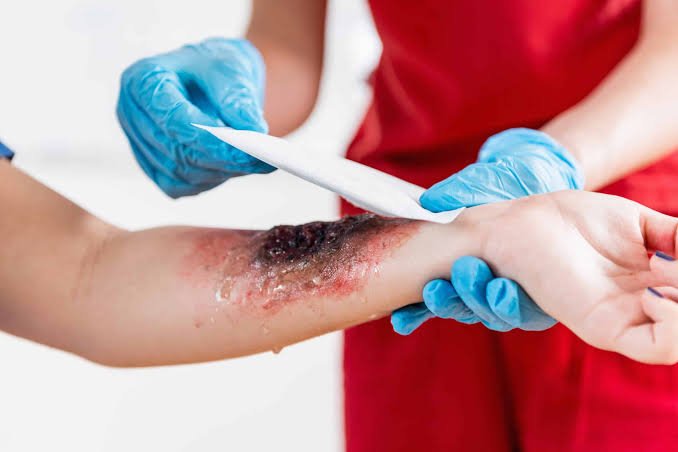
Step One: Establishing Legal Authority to Act on the Child’s Behalf
A minor cannot legally file or pursue a claim independently, so a parent or legal guardian must act as the child’s representative, often referred to as filing on behalf of the child as “next friend.” If both parents are involved and in agreement, this step is generally straightforward. Complications can arise when parents are separated or when custody is disputed, sometimes requiring the court to appoint a guardian ad litem specifically to represent the child’s interests independently of the parents.
Step Two: Getting Immediate and Ongoing Medical Documentation Started
Just as with any burn case, thorough documentation from the very beginning matters enormously. For children specifically, this needs to account for how the burn affects developmental milestones the child hasn’t yet reached, since permanent scarring or functional limitations can influence growth, physical development, and psychological wellbeing in ways that aren’t immediately obvious in the first weeks after the injury.
Pediatric burn specialists, developmental pediatricians, and psychologists experienced with childhood trauma play a particularly important role, since projecting a child’s future medical and emotional needs requires understanding both the injury itself and typical development a healthy child would have followed.
Step Three: Hiring an Attorney With Genuine Experience in Child Burn Cases
While any experienced burn injury attorney can technically handle a case involving a minor, genuine familiarity with child-specific procedures matters considerably. These cases involve unique court approval requirements and settlement structuring rules that simply don’t apply to adult claims.
During your initial consultation, ask directly about the attorney’s specific experience with child burn victims, including how they’ve handled court approval processes and structured settlements designed to protect a minor’s compensation until adulthood.
Step Four: Understanding How Filing Deadlines Work Differently for Minors
This is one of the most significant procedural differences in cases involving children. In most states, the statute of limitations doesn’t run against a minor the same way it does for an adult. Many states pause, or toll, the clock entirely until the child turns eighteen, giving the child the standard filing window starting from their eighteenth birthday rather than from the date of the original burn.
That said, parents shouldn’t necessarily wait for the child to become an adult before pursuing a claim. Evidence like the source of a fire, a defective product, or witness accounts fades regardless of the extended legal deadline, so pursuing the claim while the child is still young generally produces a considerably stronger case than waiting years.
Step Five: Investigating How the Burn Occurred
This step works the same way as any burn case, but often carries added urgency given how children are frequently injured, through defective products, unsupervised access to hazards, or inadequate safety measures in homes, schools, or public spaces. Investigators may need to examine the specific product involved, safety code compliance, or supervision failures that contributed to the injury.
Because children are disproportionately affected by burns due to their curiosity and inability to escape dangerous situations quickly, these investigations often uncover clear liability issues, like a recalled product or a documented history of similar incidents, that strengthen the case considerably.
Step Six: Building the Long-Term Damages Case Around Growth
For adult burn victims, damages calculations reference an existing career and income history. For a child, this works completely differently, since there’s no established earning history to draw from. Economists and vocational experts instead project what the child likely would have earned over an entire career, based on factors like family background, community averages, and the child’s own demonstrated interests before the injury.
Beyond lost future earnings, a child’s life care plan must account for repeated reconstructive surgeries as the child physically grows, since scar tissue doesn’t expand the way healthy skin does. This means additional grafting and revision procedures are frequently needed throughout childhood and adolescence, sometimes projecting seventy or more years of ongoing care.
Step Seven: Documenting the Psychological and Social Impact on a Child
Burn injuries carry a particularly significant psychological toll for children, affecting self-image, social development, and peer relationships during formative years. Documenting this impact typically requires child psychologists experienced specifically in trauma and body image issues in young patients, since a child’s emotional response to disfigurement differs meaningfully from an adult’s.
This documentation becomes an important part of the overall damages case, since courts and insurers increasingly recognize the profound, long-term emotional consequences visible scarring carries for a child growing up with lasting physical differences.
Step Eight: Negotiating the Settlement
Once medical documentation, expert testimony, and the life care plan are assembled, negotiations with the insurance company proceed similarly to an adult case, though insurers and courts alike often take burn injuries to children particularly seriously given the extended lifetime impact involved. Child burn cases frequently produce the highest settlement values within the broader burn injury category specifically because of this extended timeline and compelling narrative.
Your attorney presents the full scope of damages, and negotiations follow the same demand and counteroffer process used in adult cases, though the sheer length of a child’s projected future needs can sometimes result in considerably higher settlement figures than a comparable adult case might produce.
Step Nine: Seeking Mandatory Court Approval
This is a step that simply doesn’t exist in adult burn injury cases. Nearly every state requires court approval before a settlement involving a minor can be finalized, regardless of how the parties involved feel about the negotiated amount. This exists specifically to protect the child, ensuring a parent’s decision, even one made with the best intentions, doesn’t inadvertently shortchange the child’s genuine long-term needs.
During this approval process, the court reviews the settlement terms and the life care plan, often requiring an independent assessment confirming the settlement truly serves the child’s best interests before granting final approval.
Step Ten: Protecting the Funds Until the Child Reaches Adulthood
Because a minor cannot legally manage their own settlement funds, courts typically require the money to be placed into a protected structure until the child turns eighteen. This commonly takes the form of a structured settlement providing scheduled payments over time, a blocked bank account requiring court authorization for withdrawals, or a formal trust established specifically for the child’s benefit.
Larger settlements involving significant lifetime care requirements, which is common in serious burn cases given the extended reconstructive surgery timeline, typically favor a structured settlement or trust arrangement over a simple blocked account, since these can be designed to align payments with anticipated future surgical or psychological care milestones as the child grows.
FAQs
Q1. Can I access my child’s burn settlement funds for care-related expenses while they’re still a minor?
Generally, funds placed in a blocked account or structured settlement require court authorization before withdrawal, even for expenses that seem clearly related to the child’s ongoing care. This protects the settlement from being depleted, but it does mean parents typically need to petition the court and demonstrate the specific need before accessing funds beyond what’s already scheduled.
Q2. Does a child’s settlement value really differ that much from an adult’s for a similar burn?
Yes, often significantly. Child burn cases typically produce higher settlement values because children carry disfigurement over a far longer projected lifespan, require repeated reconstructive surgeries as they grow, and face compounding psychological effects during critical developmental years, all of which a life care plan and damages calculation must fully account for.
Q3. Do I need court approval even if the insurance company and I have already agreed on a settlement amount for my child?
Yes, in nearly every state. Court approval is a separate, mandatory step regardless of whether both sides have already reached an agreement. The court independently reviews whether the settlement genuinely serves the child’s best interests before finalizing anything, which can add additional time even after negotiations are otherwise complete.
Q4. Should I wait until my child turns eighteen to file a claim since many states pause the filing deadline until then?
Generally, no. While many states do pause the deadline until adulthood, waiting years to pursue a claim means evidence about how the burn occurred deteriorates, witnesses become harder to locate, and the overall case becomes more difficult to build. It’s usually best to pursue the claim while the child is young, even though the legal deadline itself may extend well beyond that point.