A car accident can create dozens of questions before the tow truck even arrives. Should you call the police? Who pays the medical bills? Can the other driver’s insurer record your statement? What happens when both drivers blame each other? And how do you know whether a settlement offer is fair?
These questions matter because an innocent mistake can weaken an otherwise valid claim. Delaying medical treatment, failing to photograph the scene, missing an insurance deadline, or signing a broad release may affect the compensation you can recover.
Car accident laws are not identical across the United States. Each state has its own rules concerning fault, insurance benefits, reporting duties, damages, and lawsuit deadlines. The following frequently asked questions explain the general U.S. process and help accident victims understand what to expect.
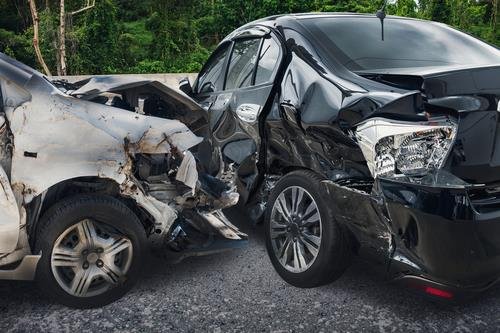
What Should I Do Immediately After a Car Accident?
Stop your vehicle, switch on the hazard lights, and check whether anyone is injured. Call 911 when someone needs medical assistance, the vehicles are blocking traffic, the other driver appears intoxicated, or the accident presents an immediate danger.
When it is safe, exchange the following information:
- Names and contact details
- Driver’s license information
- Vehicle registration details
- Insurance company and policy information
- License plate numbers
- Vehicle owner information
Take photographs of vehicle damage, the wider accident scene, road signs, traffic signals, skid marks, debris, weather conditions, and visible injuries. Collect contact details from witnesses as well.
Avoid arguing or admitting fault. Explain the facts to the police and insurance company without guessing about speed, distance, injuries, or responsibility.
Do I Need to Call the Police After a Minor Collision?
Police reporting rules vary by state and sometimes by city. A police response is particularly important when someone is injured, a vehicle cannot be driven, the other driver refuses to provide information, or there is disagreement about fault.
A police report may contain driver details, witness information, citations, road conditions, and the responding officer’s observations. Although it does not automatically decide legal responsibility, it can provide useful evidence during the insurance investigation.
If officers do not attend the scene, you may still have to submit a written accident report to a police department, state motor vehicle agency, or another authority. Check the requirements for the state where the crash occurred.
Should I Admit Fault If I Think I Caused the Accident?
No immediate admission is necessary. At the scene, you may not know all the factors that contributed to the collision. The other driver may have been speeding, distracted, following too closely, or violating a traffic law.
Provide an honest account of what happened, but avoid statements such as “The accident was completely my fault.” Insurance companies normally investigate photographs, witness statements, vehicle damage, police reports, traffic rules, and digital evidence before making a fault decision.
You should never lie or hide relevant facts. The goal is to report what you personally observed without reaching a legal conclusion.
What If I Feel Fine After the Crash?
Some accident injuries do not become noticeable immediately. Headaches, neck stiffness, dizziness, back pain, numbness, confusion, and restricted movement may develop several hours or days later.
Obtain medical attention when symptoms appear. Tell the healthcare provider that you were involved in a motor vehicle accident and explain when the symptoms started.
Delaying treatment can affect your health and create an insurance dispute. The insurer may argue that the injury was minor, caused by another event, or unrelated to the crash.
Follow medical advice and attend scheduled appointments. Keep copies of bills, prescriptions, diagnostic reports, work restrictions, and therapy records.
Who Pays My Medical Bills After a Car Accident?
The answer depends on the state and the insurance coverage available.
In some states, personal injury protection may pay eligible medical expenses and part of the injured person’s lost income, regardless of who caused the crash. Medical payments coverage may also help with treatment costs.
In a fault-based claim, the responsible driver’s bodily injury liability insurance may eventually compensate the victim. However, that insurer may not pay medical providers immediately while the claim is being investigated.
Health insurance may initially cover treatment, subject to deductibles and policy rules. The health insurer may later seek reimbursement from the accident settlement.
Because several insurance systems can overlap, accident victims should keep detailed records of every bill, payment, denial, and reimbursement request.
How Is Fault Determined?
Insurance adjusters determine fault by examining evidence such as:
- Police reports
- Driver and witness statements
- Photographs and videos
- Vehicle damage patterns
- Traffic laws
- Dashcam or surveillance footage
- Road and weather conditions
- Electronic vehicle information
Common examples of negligent driving include running a red light, making an unsafe lane change, following too closely, speeding, driving while distracted, and failing to yield.
An insurer’s fault decision is not always final. A claimant can provide additional evidence, challenge the decision, negotiate, or file a lawsuit when appropriate.
Can Both Drivers Be Responsible?
Yes. Many collisions involve mistakes by more than one driver.
Most states use some type of comparative-fault system. Under this approach, compensation may be reduced according to the injured person’s share of responsibility. Some states prevent recovery when that share reaches a specified level.
A smaller number of jurisdictions use stricter contributory-negligence rules. In those places, even limited responsibility may prevent recovery.
Do not assume that partial fault automatically ends your claim. The result depends on the law of the state where the accident occurred.
Should I Report the Accident to My Own Insurance Company?
Generally, yes. Most auto policies require prompt notice of an accident and reasonable cooperation with the investigation.
Report the crash even when you believe the other driver was responsible. Your own policy may provide benefits through collision coverage, personal injury protection, medical payments coverage, rental reimbursement, or uninsured motorist protection.
Provide accurate facts, photographs, witness details, and the police report number. Do not guess about matters you do not know.
Reporting a crash does not necessarily mean you are accepting responsibility. It allows the insurer to open a claim, review the available coverage, and protect its interests if another person makes a claim against you.
Do I Have to Give a Recorded Statement?
Your own insurance policy may require you to cooperate with reasonable requests, which can include providing a statement. Review your policy and ask why the statement is necessary.
You should be more cautious when the other driver’s insurer requests a recorded interview. That insurer represents the other party’s financial interests, not yours.
Do not speculate about speed, distance, fault, or the future course of your injuries. Avoid saying you are “completely fine” when you have not yet received a medical evaluation.
In a serious or disputed claim, consider obtaining legal advice before providing a detailed recorded statement.
What If the Other Driver Does Not Have Insurance?
Your own uninsured motorist coverage may compensate you for qualifying injuries caused by an uninsured driver. Collision coverage may help repair or replace your vehicle, subject to the deductible and policy terms.
Underinsured motorist coverage may apply when the responsible driver has insurance but the policy limit is too low to cover your losses.
You may also sue the driver personally. However, winning a lawsuit does not guarantee that the person has enough income or assets to pay the judgment.
Other parties may sometimes share responsibility, including an employer, vehicle owner, rideshare company, maintenance contractor, trucking business, or vehicle manufacturer.
What Happens in a Hit-and-Run Accident?
Call the police immediately and provide every detail you remember, including the vehicle’s color, model, license plate, direction of travel, and driver description.
Look for witnesses and nearby security cameras. Businesses, residences, parking garages, and traffic systems may have recorded the collision, but the footage could be deleted quickly.
Notify your insurance company promptly. Uninsured motorist, collision, personal injury protection, or medical payments coverage may apply, depending on the state and policy.
Do not chase the fleeing driver. Doing so may create additional danger and make the situation worse.
What Compensation Can a Car Accident Victim Claim?
Depending on the circumstances and state law, compensation may include:
- Medical expenses
- Future treatment and rehabilitation
- Lost wages
- Reduced earning capacity
- Vehicle repair or replacement
- Towing and rental expenses
- Pain and suffering
- Emotional distress
- Permanent disability
- Scarring or disfigurement
A wrongful death claim may be available when an accident causes a fatality. State law determines who can bring the claim and which damages may be recovered.
Every claimed loss should be supported by reliable evidence such as bills, medical records, employer letters, photographs, receipts, and expert opinions.
How Long Does a Car Accident Claim Take?
A straightforward property-damage claim may be resolved relatively quickly when fault is clear and the repair cost is not disputed.
An injury claim often takes longer because the victim’s diagnosis, recovery period, future treatment needs, and lost income must be evaluated. Serious injuries may require months of medical care before the claim can be valued fairly.
Disputes over fault, insurance coverage, medical causation, policy limits, or multiple responsible parties can extend the process. A lawsuit may take considerably longer than an uncontested insurance claim.
A fast settlement is not always a fair settlement. Accepting payment before understanding the long-term injury can result in unpaid future expenses.
Should I Accept the First Settlement Offer?
Not automatically. Review whether the offer includes all medical bills, wage loss, future treatment, property damage, and other recoverable losses.
The first offer may be based on incomplete information. You can ask the adjuster to explain the calculation, submit missing records, and make a supported counteroffer.
Do not accept an injury settlement simply because immediate bills are creating pressure. Once you sign a full release, you normally cannot return for additional compensation if your condition becomes worse.
Confirm whether the offer resolves only property damage or also closes every bodily injury claim arising from the collision.
Do I Need a Car Accident Lawyer?
A minor accident involving no injuries, clear responsibility, and limited vehicle damage may not require an attorney.
Legal assistance may be useful when:
- Injuries are serious or permanent
- Fault is disputed
- Several vehicles are involved
- The insurer denies or undervalues the claim
- A commercial truck or rideshare vehicle is involved
- The responsible driver is uninsured
- The accident involves a government vehicle
- The collision causes a death
Many personal injury lawyers use contingency-fee agreements. This generally means the lawyer receives an agreed share of the recovery rather than charging an upfront hourly fee. Read the agreement carefully because case expenses may be handled separately.
Can a Tourist or Non-U.S. Citizen File a Car Accident Claim?
Generally, a person injured in the United States can pursue a claim regardless of citizenship. Tourists, students, temporary workers, and other international visitors may seek compensation when another party caused the accident.
However, returning to another country can complicate medical documentation, communication, depositions, and court appearances. An injured visitor should preserve rental agreements, travel records, insurance documents, police reports, medical records, and accident evidence before leaving the United States.
Foreign medical bills and future treatment recommendations should be clearly documented and translated when necessary.
Additional Frequently Asked Questions
Q1. Can I post pictures of my recovery on social media?
It is safer to avoid posting about the accident, injuries, travel, exercise, or settlement negotiations. Insurers may use public posts without their full context to question your injuries. Ask family and friends not to tag you in accident-related content.
Q2. Will filing a claim increase my insurance premium?
A claim may affect future premiums, but the result depends on state law, the insurer’s rating rules, fault, driving history, and the type of claim. Ask your insurance company for an explanation rather than assuming that every reported accident will produce the same increase.
Q3. Are car accident settlements taxable?
Tax treatment depends on what the payment represents. Compensation connected with physical injuries may be treated differently from punitive damages, interest, wage-related payments, or compensation for non-physical claims. A tax professional should review substantial or complicated settlements.
Q4. How long do I have to file a lawsuit?
Every state has its own statute of limitations. Different deadlines may apply to injury, property damage, wrongful death, minors, and government-related claims. Insurance negotiations do not necessarily pause the deadline, so confirm the applicable period early.