A serious car accident can leave you facing more than a damaged vehicle. You may be missing work, attending medical appointments, arguing over repair costs, and receiving repeated calls from insurance adjusters. At the same time, important evidence may be disappearing and legal deadlines may be moving closer.
Choosing a car accident lawyer during this stressful period should not be based on the biggest billboard, the loudest television advertisement, or a promise of a massive settlement. The right attorney should understand the law of the state where the accident occurred, have meaningful experience with similar claims, communicate clearly, and possess the resources to challenge an insurance company when necessary.
Not every accident requires legal representation. A minor property-damage claim with no injuries may be handled directly with the insurer. However, professional legal help can become valuable when injuries are serious, fault is disputed, multiple parties are involved, or an insurer refuses to offer fair compensation.
Here is how to compare your options and choose the best lawyer for your car accident case.
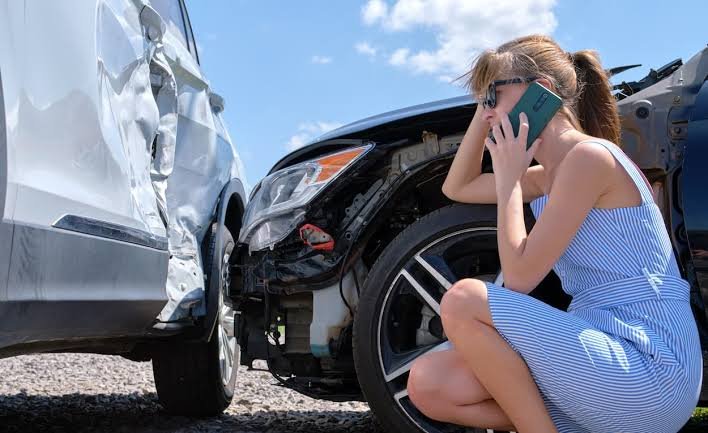
Start With the Type of Accident You Experienced
Car accident cases can look similar from the outside but involve very different legal and technical issues. A lawyer who regularly handles simple rear-end collisions may not have the right experience for a commercial truck crash, defective vehicle claim, or accident involving several insurance policies.
Before contacting law firms, identify the main features of your case. Consider whether it involves:
- A serious or permanent injury
- A pedestrian, cyclist, or motorcycle rider
- A rideshare driver
- A delivery or commercial vehicle
- An uninsured or underinsured motorist
- A drunk or distracted driver
- A government-owned vehicle
- A defective vehicle component
- A fatal accident
- Several drivers who may share fault
Look for a lawyer who has handled cases involving the same type of collision, injury, and insurance problem. Relevant experience is generally more useful than a broad statement that the firm handles “all personal injury matters.”
Confirm That the Lawyer Is Properly Licensed
A professional website does not prove that an attorney is licensed or authorized to handle your case. Verify the lawyer’s status through the official attorney directory maintained by the state bar, court system, or licensing authority.
Check whether the attorney is:
- Actively licensed
- Eligible to practise law
- In good standing
- Subject to public disciplinary action
- Licensed in the state connected with your claim
This is especially important when you find a lawyer through social media, an online advertisement, a referral company, or an unsolicited telephone call.
An attorney licensed in one state may not automatically be able to represent you in another. Because car accident laws and court procedures are state-specific, you generally need someone who can practise in the relevant jurisdiction.
Review the Lawyer’s Actual Car Accident Experience
The number of years a person has been a lawyer does not reveal how much car accident work they have completed. A lawyer may have practised for two decades while spending very little time on personal injury litigation.
During the consultation, ask direct questions such as:
- How much of your practice involves car accident cases?
- Have you handled injuries similar to mine?
- Have you worked with the insurance companies involved?
- Have you managed cases with disputed fault?
- How often do you file lawsuits?
- Have you taken car accident cases to trial?
You do not need an attorney who takes every case to court. Most accident claims settle without a trial. However, the lawyer should be capable of filing and litigating a lawsuit when settlement negotiations fail.
An insurer may treat a claim differently when it knows that the attorney is prepared to gather expert evidence, take depositions, and proceed to trial.
Do Not Choose a Lawyer Based Only on Settlement Numbers
Law firms frequently advertise large settlements and verdicts. These results may demonstrate experience, but they do not predict the value of your case.
Every claim depends on its own facts, including:
- The seriousness of the injury
- Available medical evidence
- Lost income and future limitations
- The amount of insurance coverage
- The strength of the liability evidence
- The injured person’s share of fault
- The law of the applicable state
Ask the lawyer to explain how your claim will be evaluated rather than promising a particular amount. A trustworthy attorney should discuss both strengths and weaknesses.
Be cautious when someone guarantees that you will win or promises a specific settlement before reviewing the police report, medical records, insurance policies, and accident evidence.
Find Out Who Will Actually Handle Your Case
The attorney featured in an advertisement or leading the consultation may not be the person managing your claim. Large firms commonly assign much of the daily work to associates, paralegals, case managers, or support staff.
Delegation is not automatically a problem. Skilled legal teams can handle cases efficiently. However, you should know who will be responsible for important decisions.
Ask:
- Who will be my primary contact?
- Which lawyer will supervise the case?
- Who will negotiate with the insurer?
- Who will appear in court if a lawsuit is filed?
- How can I contact the responsible attorney?
- How quickly does the firm usually respond?
A client should not discover months later that the lawyer they selected has little involvement in the case.
Evaluate the Lawyer’s Communication Style
A knowledgeable attorney is not necessarily the right attorney for every client. You need someone who can explain complicated issues in language you understand.
Pay attention during the initial consultation. Does the lawyer listen carefully, or repeatedly interrupt? Are your questions answered directly? Does the attorney explain the process, or use legal language without clarification?
Strong communication is particularly important for international visitors, immigrants, students, and people whose first language is not English. Ask whether interpreters, translated documents, or multilingual staff are available when needed.
You should also understand how updates will be provided. Some firms communicate primarily through telephone calls, while others use email, text messages, online portals, or scheduled case reviews.
A good lawyer should keep you informed about meaningful developments without requiring you to chase the office for basic information.
Understand the Contingency-Fee Agreement
Many U.S. car accident lawyers work on a contingency-fee basis. This generally means that the attorney receives an agreed percentage of the compensation recovered rather than charging the client an hourly legal fee at the beginning.
Do not treat “no fee unless we win” as a complete explanation. Ask for the full arrangement in writing and review it carefully.
The agreement should explain:
- How the legal fee is calculated
- Whether the percentage changes after a lawsuit is filed
- Whether a different percentage applies at trial or on appeal
- Which expenses may be deducted
- Whether expenses are taken before or after the legal fee
- What happens if no compensation is recovered
- How the agreement can be ended
Case expenses may include court filing fees, medical-record charges, deposition costs, expert fees, investigation expenses, travel costs, and payments for accident reconstruction.
Two firms offering the same fee percentage may produce different amounts for the client if they calculate expenses differently. Ask the lawyer to provide a simple numerical example showing how a hypothetical settlement would be distributed.
Check Whether the Firm Has Adequate Resources
A complex car accident claim may require more than letters and telephone calls. The firm may need to obtain electronic vehicle data, preserve surveillance recordings, hire investigators, consult medical specialists, or work with accident-reconstruction experts.
Ask whether the firm has the financial and professional resources to develop the case properly. This becomes especially important in claims involving:
- Commercial trucks
- Catastrophic injuries
- Several defendants
- Defective vehicles
- Government agencies
- Disputed medical causation
- Long-term loss of earning capacity
A lawyer should not pressure you into an inadequate settlement simply because the firm is unwilling or unable to fund necessary litigation expenses.
Ask How the Lawyer Plans to Investigate the Accident
A useful consultation should include more than a discussion about compensation. The lawyer should explain how evidence will be collected and preserved.
Depending on the case, the investigation may involve:
- Police reports
- Witness interviews
- Scene photographs
- Dashcam recordings
- Traffic or business surveillance footage
- Mobile phone records
- Vehicle event data
- Driver employment records
- Maintenance and inspection documents
- Medical evidence
- Expert opinions
Some evidence can be erased or destroyed quickly. Ask whether the lawyer will send preservation notices to businesses, vehicle owners, trucking companies, government agencies, or other parties that may possess important records.
Consider Independent Reviews Carefully
Online reviews can help you understand how a law firm treats clients, but they should not be your only deciding factor.
Look for patterns rather than focusing on one extremely positive or negative comment. Repeated complaints about poor communication, unexpected deductions, staff turnover, or pressure to settle may deserve attention.
At the same time, remember that lawyers have confidentiality duties and may not be able to publicly explain their side of a dispute.
Personal referrals can also be useful. A friend, relative, doctor, or another lawyer may recommend someone they trust. Still, the lawyer who was suitable for another person may not be the right choice for your particular accident.
Watch for Warning Signs
Be cautious when a lawyer or representative:
- Guarantees a specific result
- Pressures you to sign immediately
- Avoids explaining the fee agreement
- Refuses to discuss case expenses
- Has no verifiable office or licensing information
- Uses aggressive unsolicited contact
- Tells you to exaggerate injuries
- Encourages unnecessary medical treatment
- Rarely allows clients to speak with an attorney
- Promises a quick settlement before investigating the case
- Is unwilling to file a lawsuit under any circumstances
A legitimate lawyer should never ask you to lie about symptoms, hide previous injuries, alter evidence, or provide false information to an insurance company.
Compare More Than One Lawyer
You do not have to hire the first attorney you contact. Speaking with two or three qualified lawyers can help you compare experience, communication, fees, resources, and strategy.
Prepare the same basic questions for every consultation so that the comparison is fair. Bring any available police report, photographs, insurance letters, medical information, repair estimates, and witness details.
Pay attention to whether the lawyer has reviewed the facts before offering an opinion. The most suitable attorney may not be the person who makes the boldest promises. It may be the lawyer who identifies the difficult issues, explains a realistic plan, and answers uncomfortable questions honestly.
Do not delay so long that evidence disappears or legal deadlines expire. Car accident claims are subject to state-specific statutes of limitations, insurance notice requirements, and, in some cases, shorter deadlines for claims against public agencies.
Read the Agreement Before Signing
Take time to read the representation agreement. Do not rely solely on what was said during the consultation.
Confirm the scope of representation. Some lawyers may agree to handle only the injury claim and not property damage, traffic citations, health insurance disputes, or related matters.
The agreement should identify the lawyer or firm, explain the fee arrangement, address expenses, describe the client’s responsibilities, and explain how either side may end the relationship.
Ask for clarification before signing anything you do not understand. Keep a complete copy of the signed agreement for your records.
Frequently Asked Questions
Q1. Should I hire the lawyer with the lowest contingency fee?
Not automatically. The lowest percentage may not provide the best outcome when the lawyer lacks experience, resources, or willingness to litigate. Compare the fee alongside case expenses, qualifications, communication, and the proposed legal strategy.
Q2. Can I change lawyers after signing an agreement?
In many situations, a client may change lawyers. However, the previous lawyer may have a right to compensation for work already completed, depending on the agreement and state law. Speak with the new attorney about how fees and the transfer of the file will be handled before making the change.
Q3. Do I need a local lawyer near my home?
Not always. The more important issue is whether the lawyer is licensed in the appropriate state and experienced with the court, insurance rules, and law governing the accident. Modern communication allows many matters to be handled remotely, although location may become more relevant for meetings, depositions, and court appearances.
Q4. What documents should I bring to the first consultation?
Bring the police report, accident photographs, insurance information, medical bills, treatment records, repair estimates, wage-loss documents, witness details, correspondence from adjusters, and a written timeline of events. Do not delay the consultation simply because some documents are unavailable.