The store manager says the floor was inspected. The insurance adjuster claims the spill appeared only moments before you fell. Meanwhile, the surveillance video may soon be erased, your medical bills are increasing, and you are missing work because of a fractured ankle or serious back injury.
This is exactly when choosing the right slip and fall lawyer matters. Premises liability cases are rarely won by showing only that someone fell and suffered an injury. The claim may depend on proving who controlled the property, what dangerous condition existed, how long it was present, whether the responsible party knew about it, and whether reasonable inspections were performed.
A capable lawyer should know how to preserve time-sensitive evidence, identify every responsible party, evaluate the full value of the injury, and challenge an insurer that tries to blame the victim. The following steps can help you choose a lawyer who is genuinely prepared to handle your slip and fall case.
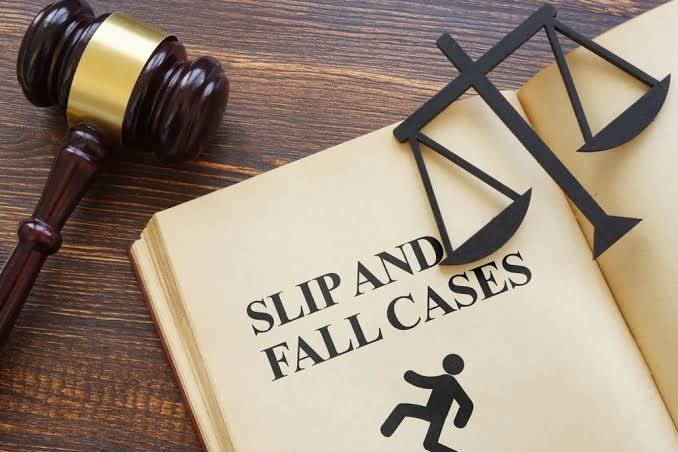
Decide Whether Your Case Needs a Lawyer
Not every minor fall requires legal representation. You may be able to handle a small claim directly when the injury has fully healed, medical expenses are limited, and the property owner clearly accepts responsibility.
Legal assistance becomes more valuable when:
- You suffered a fracture, head injury, spinal injury, or permanent limitation
- Surgery or extended rehabilitation may be required
- The property owner denies that a dangerous condition existed
- Surveillance footage must be preserved
- You are being blamed for failing to notice the hazard
- Several businesses controlled the accident area
- The fall happened on government property
- Medical bills or lost wages are substantial
- The insurance company has denied or undervalued the claim
A lawyer may also be important when the filing deadline is approaching or you do not know which person, business, or agency should be named in the claim.
Look for Premises Liability Experience
Personal injury law covers many different cases, including car crashes, defective products, medical negligence, dog bites, and workplace injuries. A lawyer who handles personal injury claims generally may not have significant experience with slip and fall litigation.
Ask how much of the attorney’s work involves premises liability. The lawyer should understand issues such as:
- Actual and constructive notice
- Inspection and cleaning procedures
- Open and obvious hazards
- Comparative negligence
- Building and safety standards
- Landlord and tenant responsibilities
- Snow and ice removal
- Government notice requirements
- Preservation of surveillance footage
Relevant experience is more important than a broad claim that the firm has handled “thousands of injury cases.”
A supermarket spill case may require a different strategy from an icy sidewalk claim, broken staircase accident, apartment-building fall, or injury inside a public transit facility. Look for an attorney familiar with the particular type of property and hazard involved in your accident.
Verify the Lawyer’s License and Professional Record
Before signing an agreement, confirm that the attorney is actively licensed in the state connected with your case.
Use the official state bar or attorney-licensing directory to check:
- Current license status
- Eligibility to practise
- Public disciplinary history
- Administrative suspensions
- Office and contact information
Do not rely only on a law firm’s website, advertisement, or social media profile. A professional-looking online presence does not confirm that the lawyer is authorized to appear in the relevant state court.
A disciplinary record does not always mean the lawyer is unsuitable, but you should understand what happened and whether the issue involved honesty, client funds, communication failures, or neglect of legal matters.
Ask About Similar Slip and Fall Cases
During the consultation, describe where the accident happened, what caused the fall, and the injuries you suffered. Then ask whether the lawyer has managed similar claims.
Useful questions include:
- Have you handled falls involving this type of property?
- Have you dealt with this insurance company before?
- How do you prove how long a hazard existed?
- Have you handled cases involving missing surveillance footage?
- Have you pursued claims against landlords or government agencies?
- What defenses do you expect in my case?
- Have you taken premises liability cases to trial?
A reliable lawyer should be able to explain the likely legal issues without guaranteeing a result. Be cautious when an attorney promises a large settlement before reviewing the incident report, medical records, photographs, insurance information, and available video evidence.
Find Out How Quickly the Firm Will Preserve Evidence
Evidence can disappear faster in a slip and fall case than in many other personal injury claims. A spill can be cleaned, a broken tile replaced, ice can melt, and security recordings may be automatically overwritten.
Ask what the lawyer will do immediately after being hired. Necessary early steps may include sending written preservation notices for:
- Surveillance footage
- Incident reports
- Inspection and cleaning logs
- Employee schedules
- Maintenance records
- Repair requests
- Earlier customer complaints
- Internal emails or messages
- Photographs taken by employees
The lawyer may also need to inspect and photograph the property before its condition changes.
A firm that plans to wait for the insurer to voluntarily provide evidence may lose valuable information. The attorney should have a clear strategy for protecting evidence from the beginning.
Evaluate the Lawyer’s Investigation Plan
A strong premises liability case requires more than collecting medical bills. Ask how the firm will prove that the defendant created the hazard or had enough time to discover it.
The investigation may involve:
- Interviewing witnesses
- Reviewing surveillance recordings
- Examining inspection procedures
- Obtaining weather records
- Reviewing building or maintenance documents
- Identifying previous accidents or complaints
- Measuring a floor defect or stairway
- Consulting engineers or safety specialists
- Reviewing leases and service contracts
The lawyer should also investigate who controlled the specific area. A property owner, commercial tenant, management company, cleaning contractor, snow-removal business, maintenance provider, or government agency may share responsibility.
Identifying every responsible party is important because one defendant may have limited insurance or may try to shift blame to another company.
Check Whether the Firm Has Adequate Resources
Complex slip and fall cases can require significant time and money. The lawyer may need to pay for medical records, depositions, property inspections, expert opinions, court filing fees, and accident reconstruction.
Ask whether the firm can fund the investigation and litigation until the claim is resolved. This is especially important when the case involves:
- Permanent disability
- Expensive future medical care
- Several corporate defendants
- Government property
- Disputed building defects
- Engineering evidence
- Major loss of earning capacity
A poorly funded firm may pressure a client to accept an inadequate settlement because it does not want to pay for experts or litigation.
Resources alone do not make a lawyer effective. However, the attorney should have the ability to develop the evidence necessary to challenge a well-funded property owner or insurance company.
Ask Whether the Lawyer Is Prepared to File a Lawsuit
Most slip and fall claims settle without a trial. Even so, your lawyer should be willing and able to litigate when the insurer refuses to make a fair offer.
Ask how frequently the attorney files premises liability lawsuits and whether the lawyer personally handles depositions, mediation, hearings, and trials.
An attorney who avoids litigation in every case may have limited negotiating power. Insurance companies often know which firms regularly prepare cases for trial and which firms prefer quick settlements.
Trial experience does not mean your case must reach a courtroom. It means the lawyer can continue protecting your interests when ordinary negotiations fail.
Find Out Who Will Actually Manage the Case
The lawyer speaking during the first consultation may not handle the daily work. Your file could be assigned to an associate, paralegal, or case manager.
A team structure can be effective, but you should know:
- Who will be your primary contact
- Which lawyer supervises the claim
- Who communicates with the insurance adjuster
- Who makes settlement recommendations
- Who will handle depositions or court appearances
- How frequently you will receive updates
Ask whether you can speak directly with the responsible attorney when important questions arise.
Repeated difficulty reaching anyone, unanswered messages, or vague explanations during the consultation may indicate future communication problems.
Pay Attention to Communication Style
A good slip and fall lawyer should explain the case in language you understand. The attorney should listen to your account, answer practical questions, and discuss both strengths and weaknesses.
Notice whether the lawyer:
- Reviews the facts before offering an opinion
- Explains what evidence is missing
- Discusses possible comparative fault
- Gives realistic expectations
- Describes the next steps clearly
- Allows enough time for your questions
A lawyer who speaks only about settlement amounts but shows little interest in how the hazard developed may not be examining the case carefully.
Clients who are visitors, immigrants, or more comfortable using another language should ask whether interpretation services or multilingual staff are available.
Understand the Contingency Fee and Case Expenses
Many slip and fall lawyers work on a contingency-fee basis. The lawyer receives an agreed percentage of the compensation recovered rather than charging an hourly fee at the beginning.
Ask for a written explanation of:
- The contingency percentage
- Whether the percentage increases after a lawsuit is filed
- Whether a different rate applies at trial or on appeal
- Which case expenses may be deducted
- Whether expenses are deducted before or after the legal fee
- Who pays expenses if the case is unsuccessful
- How medical liens and unpaid bills will be handled
The phrase “no fee unless you win” does not necessarily mean the client can never owe case expenses. Read the written agreement carefully.
Request a simple example showing how a hypothetical settlement would be divided among legal fees, expenses, medical balances, reimbursement claims, and the client.
Examine Reviews and Referrals Carefully
Recommendations from friends, relatives, doctors, or other attorneys can help you create a shortlist. Online reviews may also reveal patterns involving communication, professionalism, and settlement handling.
Do not select a lawyer based only on ratings. Extremely positive reviews may say little about the attorney’s premises liability experience, while negative reviews may involve matters the lawyer cannot publicly discuss because of confidentiality duties.
Look for repeated comments about:
- Return calls and case updates
- Clear fee explanations
- Respectful staff behavior
- Preparation and organization
- Unexpected deductions
- Pressure to settle quickly
Verify every lawyer independently, even when the referral comes from someone you trust.
Watch for Serious Warning Signs
Avoid a lawyer who:
- Guarantees a particular settlement
- Pressures you to sign immediately
- Refuses to explain fees and expenses
- Tells you to exaggerate symptoms
- Encourages unnecessary treatment
- Has no clear evidence-preservation plan
- Cannot verify an active law license
- Refuses to identify who will handle the case
- Promises a fast payment before investigating liability
- Is unwilling to file a lawsuit under any circumstances
A lawyer should never advise you to hide previous injuries, change your account, or provide false information. Honest disclosure allows the attorney to prepare for issues the insurer is likely to discover.
Compare More Than One Lawyer
Speak with two or three qualified attorneys when possible. Use the same questions during each consultation so you can compare experience, communication, resources, fees, and strategy.
Bring photographs, medical information, witness details, the incident report, damaged clothing or footwear photographs, insurance correspondence, and a timeline of events.
Do not delay your search for too long. Evidence may disappear, and every state imposes legal deadlines. Claims involving public property or government agencies may require action much earlier than ordinary premises liability cases.
Frequently Asked Questions
Q1. Should I choose the slip and fall lawyer offering the lowest contingency fee?
Not automatically. Compare the percentage with the lawyer’s experience, resources, communication, investigation plan, and willingness to litigate. A lower fee offers little value when the case is poorly prepared or settled for less than its reasonable value.
Q2. Can I change lawyers after my slip and fall case has started?
Usually, clients can change attorneys, but the previous lawyer may claim payment for completed work or expenses. Review your agreement and ask the new lawyer how the file transfer and division of fees will be handled.
Q3. What documents should I take to the consultation?
Bring photographs and videos, witness details, the incident report, medical records, bills, proof of lost income, insurance letters, footwear photographs, and a written timeline. Attend the consultation even when some documents are unavailable.
Q4. How soon should I contact a lawyer after a slip and fall?
Prompt contact is helpful when surveillance footage, inspection records, weather evidence, or the original property condition must be preserved. Early legal review is particularly important for serious injuries, government property, disputed hazards, and approaching filing deadlines.