Somebody hands you a settlement offer weeks after a serious burn injury, and it feels tempting to just accept it and move on with your life. Here’s the problem: your treatment probably isn’t even close to finished, and that number almost certainly doesn’t reflect what your case is genuinely worth. Burn injury settlements work fundamentally differently from most personal injury claims, precisely because burns keep evolving, worsening, and revealing new complications long after the initial wound has closed.
Understanding exactly how this process unfolds, from the accident to the final check, turns an intimidating and confusing waiting game into something you can genuinely track and plan around.
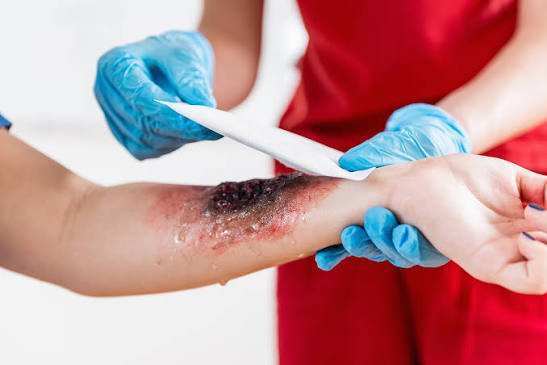
Why Burn Settlements Take Longer Than Most Injury Claims
Most burn injury cases settle somewhere between six and eighteen months, but severe cases involving extensive scarring, multiple surgeries, or permanent disfigurement can take considerably longer, sometimes three to five years from injury to final resolution. This extended timeline isn’t a sign your case is stalled or mishandled. It reflects the genuine reality that burns require ongoing treatment, and a fair settlement can’t be calculated until the full scope of that treatment is actually known.
Unlike a broken bone with a predictable healing period, burns often involve unpredictable complications, infections, contractures, additional grafting needs, that simply take time to reveal themselves.
Step One: Reaching Maximum Medical Improvement
Before meaningful settlement discussions can genuinely begin, doctors need to determine that your condition has stabilized enough to reliably predict long-term needs, a point called maximum medical improvement. For serious burn cases, this can take two to five years, accounting for multiple grafting procedures, reconstructive surgeries, and extended rehabilitation.
Settling before reaching this point means closing your case without knowing the true extent of future surgical needs, permanent functional limitations, or long-term psychological care requirements. Once you sign a settlement release, that decision is final, which is exactly why patience during this stage matters so much in burn cases specifically.
Step Two: Documenting the Full Scope of Medical Treatment
Burn treatment is among the most expensive forms of medical care, and your documentation needs to capture every element of it. Hospitalization at specialized burn centers can run $2,000 to $10,000 per day, and major burn patients routinely spend weeks to months as inpatients. Skin grafting procedures often cost upwards of $17,000 each, and many patients require multiple rounds over time.
Beyond the initial treatment, ongoing care like scar revision surgeries, physical and occupational therapy, and psychological counseling for trauma, PTSD, or body image struggles all need to be thoroughly documented, since these represent genuine, ongoing costs that factor directly into your settlement calculation.
Step Three: Building the Life Care Plan
In serious burn cases, a life care plan becomes the anchor of the entire settlement negotiation. This document, prepared by a qualified specialist, projects every anticipated future medical need, additional surgeries, therapy, pressure garments, and psychological treatment, translated into specific dollar figures based on your individual situation.
Because burn patients often face among the longest treatment timelines of any injury type, this life care plan frequently represents the single largest component of a serious burn settlement. For cases involving young children, life care plans can project seventy or more years of future surgeries and care, since children require repeated reconstructive procedures as their bodies continue to grow.
Step Four: Calculating Non-Economic Damages
Pain and suffering, permanent scarring, and disfigurement represent some of the most significant categories of compensation in burn cases specifically, often exceeding the economic damages themselves. Where a burn occurs on the body genuinely matters here. Burns on the face, neck, and hands, areas that can’t be covered by clothing and that a victim must present to the world every day, produce meaningfully higher non-economic damages than equivalent burns elsewhere on the body.
Courts and insurers generally recognize visible disfigurement as one of the highest-value non-economic harms in personal injury law, which is exactly why establishing this category properly, often through psychological evaluation and expert testimony, matters so much to your final settlement number.
Step Five: Sending the Demand and Beginning Negotiations
Once your medical documentation, life care plan, and full damages calculation are assembled, your attorney sends a formal demand letter to the insurance company. Initial responses to this demand are almost always considerably lower than what’s requested, largely because insurers routinely dispute estimated future costs when your treatment isn’t yet fully complete.
Your attorney’s job during this phase involves pushing back with solid documentation and expert testimony, holding firm until the offer genuinely reflects your medical costs, lost income, and the full scope of your pain and suffering rather than accepting a number designed to close the file quickly.
Step Six: Filing a Lawsuit, If Negotiations Stall
If the insurance company won’t offer fair compensation, or if a key fact about your case remains genuinely disputed, your attorney may recommend filing a formal lawsuit. This is actually quite common in burn cases specifically, since the full cost of treatment often isn’t determinable before your state’s statute of limitations approaches, meaning litigation sometimes becomes necessary simply to preserve your legal rights while your medical picture continues developing.
Filing suit doesn’t necessarily mean your case is heading toward trial. Most burn injury lawsuits still settle before ever reaching a courtroom, but filing often applies genuine pressure on the insurer to negotiate more seriously once formal litigation is underway.
Understanding How Comparative Fault Can Affect Your Settlement
Insurance companies frequently argue that burn victims contributed to their own injury, claiming you ignored safety rules, misused a product, or bypassed a warning sign. In states that reduce compensation based on shared fault, even a modest percentage assigned to you can meaningfully lower your final settlement, and in some states, being found more than 50 or 51 percent at fault can eliminate your recovery entirely.
A proper investigation often tells a very different story than the insurer’s initial narrative, revealing missing safety training, defective equipment, or ignored maintenance issues that shift responsibility back where it genuinely belongs. Strong documentation and expert testimony help counter these blame-shifting tactics during negotiation.
Why Settlement Values Vary So Dramatically
Burn settlements range enormously, from under $10,000 for minor first-degree burns to multi-million-dollar outcomes for severe fourth-degree burns involving amputation or permanent disability. Several factors drive this range beyond just the degree of burn itself: the percentage of body surface affected, the specific location on the body, whether permanent scarring or disfigurement resulted, the victim’s age, and how clearly the responsible party’s negligence caused the injury.
Cases involving young children typically produce the highest settlement values in the burn category specifically, since children carry disfigurement over a far longer projected lifespan and require repeated reconstructive procedures as they grow.
Lump Sum Versus Structured Settlement
Once a settlement number is reached, you’ll typically need to decide between receiving the full amount as a lump sum or structuring it as payments distributed over time. A lump sum gives you immediate access to the entire settlement, useful if you have significant near-term costs like an upcoming surgery or home modifications.
A structured settlement instead distributes payments over time, often designed to align with anticipated future medical milestones like scar revision surgeries scheduled years down the road. This arrangement can protect against the very real risk of running out of funds too early, particularly relevant in burn cases given how extended the treatment timeline often is.
What Happens After the Settlement Is Finalized
Once you’ve agreed on a settlement, funds typically flow through your attorney’s office first. Any outstanding medical liens, from health insurers or Medicaid, get resolved before final distribution, along with your attorney’s fees and case costs according to your representation agreement. This process can add several additional weeks even after the settlement amount itself has been agreed upon.
Understanding this distribution order in advance helps you calculate a realistic estimate of what you’ll actually take home, rather than assuming the full settlement figure reflects your final payout.
FAQs
Q1. Why does my burn injury case seem to be taking so much longer than my friend’s more minor injury claim?
Serious burn cases require reaching maximum medical improvement before a fair settlement can genuinely be calculated, and given how many surgeries and how much rehabilitation burns often require, this can take two to five years. This extended timeline reflects thorough case-building rather than a problem specific to your claim.
Q2. Should I accept an early settlement offer if I’m worried about mounting medical bills right now?
Generally, it’s best to wait until your treatment has stabilized before finalizing anything, since accepting too early almost always means settling for considerably less than your case is actually worth. Discuss any immediate financial pressure directly with your attorney, since options like pre-settlement funding sometimes exist specifically to help bridge the gap without forcing a premature settlement.
Q3. How do I know if my settlement offer properly accounts for future surgeries I might need?
This is exactly what a life care plan is designed to establish. Ask your attorney whether a certified life care planner has evaluated your case and projected future surgical, therapeutic, and psychological needs. Without this documentation, an offer typically only reflects your current medical bills, not the true lifetime cost of your injury.
Q4. What if the insurance company argues I was partly responsible for my own burn injury?
This is a common tactic, and it doesn’t automatically mean your claim is weakened. A thorough investigation often reveals evidence like missing safety training, defective equipment, or ignored maintenance issues that shift responsibility back to the negligent party. Your attorney can counter these blame-shifting arguments with proper documentation and expert testimony rather than accepting the insurer’s initial narrative.