The insurance adjuster calls with an offer that sounds substantial. Your car has been repaired, medical bills are arriving, and you have already missed several weeks of work. Accepting the money may appear to be the fastest way to put the accident behind you. But is the offer fair? Does it include future treatment? What happens if your pain returns after you sign the paperwork?
A car accident settlement is more than an insurance payment. It is usually a final legal agreement that closes your claim in exchange for compensation. Once you accept the settlement and sign a release, you normally cannot return months later and demand additional money for the same accident.
Understanding the settlement process helps you avoid accepting too little, overlooking important losses, or signing away your rights before the full effect of your injuries is known. Although car accident laws differ across the United States, most settlement claims move through several common stages.
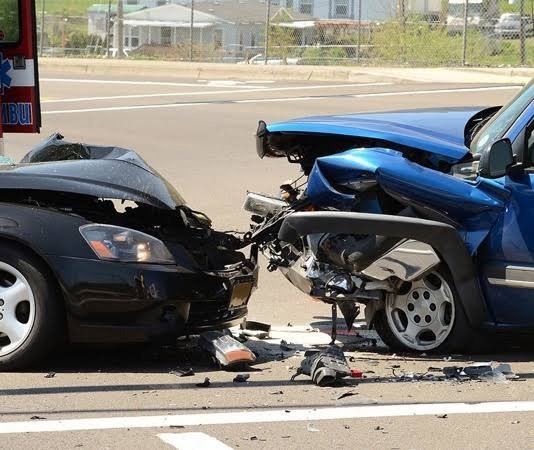
What Is Included in a Car Accident Settlement?
A car accident settlement may resolve property damage, bodily injury, or both. These parts of the claim are often handled separately.
The property damage portion may cover:
- Vehicle repairs
- Total-loss value
- Towing and storage charges
- Rental-car expenses
- Damage to personal belongings
- Loss of use of the vehicle
The bodily injury portion may include:
- Emergency medical care
- Hospital and doctor bills
- Diagnostic testing
- Physical therapy
- Prescription costs
- Future medical treatment
- Lost wages
- Reduced earning capacity
- Pain and suffering
- Permanent disability or disfigurement
Before accepting an offer, confirm exactly which claims the payment will settle. A check for vehicle damage should not unintentionally close an unresolved injury claim.
How the Settlement Process Begins
The process generally starts when the accident is reported to an insurance company. The insurer opens a claim and assigns an adjuster to investigate.
The adjuster may request the police report, photographs, repair estimates, medical records, wage documents, witness statements, and a description of how the collision occurred. The company will also examine the applicable insurance policy to determine which coverages and limits may apply.
In a fault-based claim, the injured person usually seeks compensation from the insurer of the driver who caused the crash. Depending on the state and available insurance, the victim may also use personal injury protection, medical payments coverage, collision coverage, or uninsured motorist benefits under their own policy.
Reporting the accident does not guarantee payment. The insurer must still evaluate liability, coverage, and damages.
How Insurance Companies Decide Who Was at Fault
Before discussing settlement value, an insurer normally investigates who caused the accident.
Evidence may include:
- Statements from the drivers
- Police observations
- Witness accounts
- Photographs and videos
- Dashcam or surveillance footage
- Vehicle damage patterns
- Road and weather conditions
- Traffic citations
- Electronic vehicle information
Responsibility is not always assigned entirely to one driver. For example, one driver may have made an unsafe turn while the other was travelling too fast for the conditions.
Many states allow an injured person to recover compensation even when that person shares some responsibility. The settlement may be reduced according to the claimant’s percentage of fault. Other jurisdictions apply stricter rules, so the effect of shared responsibility depends on the state where the accident occurred.
Why Medical Treatment Can Delay a Settlement
It is difficult to value an injury claim before the medical situation becomes reasonably clear. A quick settlement may cover the first hospital bill but fail to account for future therapy, surgery, chronic pain, or work restrictions.
Accident victims should follow medical advice and attend necessary appointments. They should also keep records of symptoms, treatment, prescriptions, travel expenses, and changes in daily life.
The point at which a patient has recovered as much as reasonably expected is sometimes called maximum medical improvement. This does not always mean that the person is completely healed. It may mean that the condition has stabilized and healthcare providers can better estimate future needs.
Waiting for a clearer medical picture can strengthen the accuracy of a settlement demand. However, treatment should not be extended unnecessarily merely to increase a claim. Medical care should be based on genuine health needs.
What Determines the Value of a Settlement?
There is no universal formula that accurately calculates every car accident settlement. Two people involved in similar crashes may receive very different amounts because their injuries, employment situations, insurance coverage, and evidence are different.
Important factors include:
Severity of the injuries
A fracture requiring surgery is generally valued differently from temporary soreness that resolves after limited treatment. Permanent impairment, scarring, reduced mobility, and long-term pain may significantly increase the value of a claim.
Medical evidence
Insurance companies look for records connecting the injuries to the accident. Delayed treatment, missed appointments, or large unexplained gaps in care may create disputes.
Lost income
A claimant may seek compensation for wages lost while recovering. Serious injuries may also reduce the person’s ability to perform the same work in the future.
Pain and daily limitations
A settlement may account for physical pain, emotional distress, sleep problems, reduced independence, and the inability to participate in normal activities. These losses should be documented clearly rather than described only in general terms.
Available insurance
Even a strong claim can be affected by policy limits. When the responsible driver has insufficient coverage, the victim may need to explore underinsured motorist protection or claims against additional responsible parties.
Strength of the liability evidence
A case supported by clear video, credible witnesses, and consistent physical evidence may be easier to settle than one involving conflicting accounts and no independent proof.
Preparing a Settlement Demand
Once the injuries and losses can be evaluated, the claimant or attorney may send a demand package to the insurance company.
A well-prepared demand commonly contains:
- A description of the collision
- An explanation of why the insured driver was responsible
- Medical records and bills
- Evidence of lost earnings
- Photographs of injuries and vehicle damage
- Information about future treatment
- A description of pain and daily limitations
- A requested settlement amount
The demand should be organized, factual, and supported by documents. Emotional language without evidence rarely adds meaningful value.
The requested amount may be higher than the minimum the claimant is willing to accept because negotiation is expected. However, an unrealistic demand can make productive discussions more difficult.
What to Expect During Negotiations
The insurer may accept the demand, reject it, ask for more information, or respond with a lower offer. A low opening offer does not necessarily mean negotiations are over.
The adjuster may question:
- Whether the insured driver was fully responsible
- Whether all treatment was necessary
- Whether an old injury caused some symptoms
- Whether the claimant could have returned to work earlier
- Whether future care is reasonably likely
- Whether the requested amount is supported by evidence
The claimant can respond with a counteroffer and additional documentation. Each proposal should be considered against the strength of the evidence, applicable law, policy limits, litigation risk, and the likely cost and time involved in continuing the case.
A person does not have to accept the first settlement offer. At the same time, rejecting a reasonable offer without understanding the risks of litigation may not always be wise.
Do Not Sign a Release Without Reading It
When the parties agree on an amount, the insurer usually sends a settlement agreement and release.
The release generally states that the claimant gives up the right to pursue further compensation from specified parties for claims arising from the accident. The language may be broad enough to cover known and unknown injuries.
Check whether the document correctly identifies:
- The people and companies being released
- The accident date
- The agreed payment
- The claims being resolved
- Any confidentiality terms
- Responsibility for medical bills or liens
- The treatment of property and injury claims
Do not assume the release is a routine form that cannot be changed. Questions or errors should be addressed before signing.
Medical Bills and Liens Can Reduce the Final Payment
The total settlement is not always the amount the claimant takes home. Health insurers, government benefit programs, medical providers, or other entities may seek repayment from the settlement for accident-related treatment.
An attorney may also deduct an agreed contingency fee and case expenses. These expenses can include record charges, filing fees, expert costs, investigation expenses, and deposition fees.
Before accepting a settlement, request an estimated distribution showing:
- Gross settlement amount
- Attorney’s fee
- Case expenses
- Medical balances
- Insurance reimbursement claims
- Expected payment to the client
Some medical balances or reimbursement claims may be negotiable, but the available options depend on the provider, insurance plan, and law.
How Long Does Settlement Payment Take?
After the release is signed and returned, the insurer processes the payment. When an attorney represents the claimant, the check may be sent to the law firm and deposited into a client trust account.
The lawyer must usually confirm that the payment has cleared and resolve known medical liens or reimbursement claims before distributing the remaining funds.
Delays can occur because of missing signatures, disputed medical balances, lien verification, court approval, or administrative processing. Settlements involving children may require additional legal procedures before funds can be released.
Ask for a written breakdown of the distribution rather than relying on an informal estimate.
When a Lawsuit May Become Necessary
A settlement cannot be forced if the insurer refuses to offer an acceptable amount. Filing a lawsuit may become appropriate when:
- The insurer disputes fault
- The injuries are serious
- The company questions medical causation
- Several parties may be responsible
- The available coverage is unclear
- The offer does not reflect documented losses
- The legal filing deadline is approaching
After a lawsuit is filed, the parties exchange evidence through discovery. They may take depositions, request records, consult experts, and attend mediation.
Negotiations can continue throughout the lawsuit. Filing a case does not necessarily mean it will go to trial.
Every state imposes deadlines for car accident lawsuits. Negotiations with an adjuster normally should not be assumed to extend those deadlines.
Tax Considerations After Receiving a Settlement
The tax treatment of a settlement depends on what the payment represents. Compensation connected with personal physical injuries may be treated differently from punitive damages, interest, emotional distress unrelated to physical injury, or certain wage-related payments.
A settlement may allocate money among different categories, and that wording can affect reporting obligations. Claimants receiving substantial or complicated settlements should obtain advice from a qualified tax professional rather than assuming that the entire payment is tax-free.
Frequently Asked Questions
Q1. Should I settle before finishing medical treatment?
Usually, it is safer to understand your diagnosis, expected recovery, and future care before resolving the bodily injury claim. Once a full release is signed, additional compensation is normally unavailable even when the condition becomes worse.
Q2. Can I negotiate a car accident settlement without a lawyer?
Yes, especially when injuries are minor, fault is clear, and the losses are easy to document. Legal advice may be valuable when injuries are serious, fault is disputed, future treatment is expected, or several insurance policies are involved.
Q3. What should I do when the offer does not cover my medical bills?
Ask the adjuster for a written explanation of the valuation. Review whether records or bills are missing, provide supporting documents, and make a reasoned counteroffer. Also determine whether other insurance coverage or responsible parties may be available.
Q4. Can I cancel a settlement after agreeing to it?
That depends on what was agreed, whether a release has been signed, and the law of the applicable state. A verbal or written acceptance may create legal obligations even before payment arrives. Obtain legal advice immediately rather than assuming you can simply change your mind.