The gap between a burn injury settlement that barely covers the emergency room bill and one that funds an entire lifetime of reconstructive surgery often comes down to a handful of avoidable mistakes made in the very first days after the injury. Burn victims are already dealing with unimaginable pain and trauma, which makes it especially easy to slip into decisions that quietly undermine an otherwise strong case, decisions insurance companies are specifically counting on.
The good news is that every single one of these mistakes is entirely preventable once you know what to watch for. Understanding what genuinely trips up burn injury claims protects both your health and your right to compensation that actually reflects what you’ve been through.
Not Getting Immediate Medical Attention
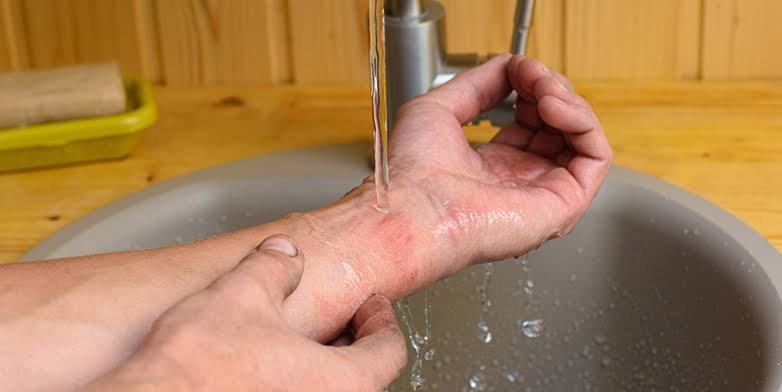
This is one of the most damaging mistakes a burn victim can make, and it happens more often than people expect, especially when the burn initially looks less severe than it actually is. Delaying treatment doesn’t just risk your health; it creates a documentation gap that insurance companies exploit later to argue the injury wasn’t genuinely serious or wasn’t connected to the incident you’re describing.
Get proper medical evaluation immediately, and follow every treatment recommendation exactly as prescribed. Burn injuries can worsen significantly if not properly cared for from the start, and consistent, well-documented treatment forms the foundation your entire claim rests on.
Not Properly Documenting the Scene and Injury
Many burn victims are simply too traumatized in the moment to think about documentation, which is completely understandable, but this gap can seriously weaken a claim later. Failing to photograph the injury, the scene where it happened, or gather witness statements means losing evidence that often can’t be recreated once conditions change, whether that’s a cleaned-up spill, a repaired appliance, or a demolished fire scene.
If you’re physically able, or if someone with you can help, photograph everything as soon as possible: the injury itself, the immediate surroundings, and anything suggesting negligence, like exposed wiring or a malfunctioning product. Get contact information from anyone who witnessed what happened before they leave.
Admitting Fault or Downplaying What Happened
It’s natural to feel embarrassed or want to smooth over an awkward situation, especially if the burn happened somewhere you knew the people involved. But statements like “I probably wasn’t being careful enough” or “it’s mostly my fault” can be used later to argue you share responsibility for your own injury, even if that’s not genuinely true.
Insurance companies routinely try to shift blame onto burn victims, arguing you ignored safety rules, misused an appliance, or contributed to the hazard somehow. Stick to factual descriptions of what happened when speaking with anyone at the scene, and let your attorney address questions of fault rather than assigning blame to yourself in the moment.
Giving a Recorded Statement Without Legal Guidance
Insurance adjusters often reach out quickly after a burn injury is reported, and it’s tempting to answer their questions fully, assuming honesty and cooperation will speed things along. These conversations, though, are frequently designed to extract statements that later get used to minimize your claim.
It’s generally best to avoid giving a detailed recorded statement until you’ve spoken with an attorney, since even casual, well-intentioned comments about what happened right before the burn can be misconstrued later to support a comparative fault argument against you.
Posting About the Incident on Social Media
This continues to be one of the most underestimated risks in burn injury cases specifically. Defense attorneys routinely subpoena social media accounts looking for anything suggesting your injuries aren’t as severe as claimed. A single photo showing you smiling at a family gathering can be mischaracterized as proof you’re not genuinely suffering, even though chronic pain and emotional struggle don’t preclude occasional moments of happiness.
The safest approach is avoiding social media activity entirely related to your recovery, the incident, or even seemingly unrelated daily activities, until your case is fully resolved.
Settling Before Reaching Maximum Medical Improvement
This is arguably the single most costly mistake in serious burn cases. Burn injuries frequently worsen or reveal complications over time, infections, additional scarring, nerve damage, that aren’t apparent in the initial weeks. Serious burn cases can genuinely take two to five years to reach what’s called maximum medical improvement, the point where doctors can reliably predict your long-term needs rather than guess at them.
Once you accept a settlement and sign a release, that decision is final. You cannot come back for more money later, even if your condition turns out considerably worse than initially expected, which is exactly why patience during this phase matters more in burn cases than almost any other type of injury claim.
Accepting an Early, Lowball Settlement Offer
Insurance companies are aware that burn victims face mounting medical bills and genuine financial desperation, and some deliberately offer quick settlements specifically timed to arrive when that pressure feels most overwhelming. These early offers almost never account for the true scope of future surgeries, ongoing rehabilitation, or permanent psychological impact.
A burn injury settlement genuinely reflecting the full extent of the harm often takes considerably longer to negotiate than victims initially expect, precisely because the true cost of care isn’t fully knowable until treatment has substantially progressed.
Not Documenting the Full Scope of Emotional and Psychological Impact
Many burn victims, and even some attorneys handling these cases without specialized experience, underestimate how significant psychological damages genuinely are in burn injury claims. PTSD, depression, body image struggles, and social anxiety following visible scarring represent real, compensable harm, not just an afterthought to the physical injury.
Failing to document this psychological impact through proper mental health evaluation and treatment records means leaving a substantial category of legitimate damages unaddressed in your final settlement calculation.
Not Identifying Every Potentially Liable Party
Burn injuries frequently involve more than one responsible party, a defective product and a negligent property owner, for instance, or an employer’s safety failures alongside a separate contractor’s negligence on the same job site. Failing to investigate every party who might share responsibility can significantly limit your total available compensation, especially given how expensive burn treatment tends to be.
A thorough investigation identifying every liable party and every layer of available insurance coverage is exactly the kind of work an experienced burn injury attorney handles from the outset, something that’s genuinely difficult to replicate without specialized legal knowledge.
Assuming Workers’ Compensation Covers Everything for a Workplace Burn
If your burn happened at work, it’s a common mistake to assume workers’ compensation is your only available option. While workers’ compensation typically becomes your primary path against your own employer, if a third party outside your employer, like an equipment manufacturer or another contractor on the job site, contributed to your burn, you may still be able to pursue a separate lawsuit against that party for considerably broader compensation than workers’ compensation alone provides.
Handling a Serious Burn Claim Without an Attorney
Burn injury claims involve complex medical documentation, strict legal deadlines, and the need to prove long-term physical and emotional damages, making them genuinely more complicated than many other personal injury claims. Attempting to negotiate directly with an insurance company, particularly for anything involving permanent scarring or medical costs exceeding a modest threshold, often results in a settlement far below what the case is actually worth.
An experienced burn injury attorney understands how to properly value these claims, counter blame-shifting tactics, and negotiate from a position of genuine strength, something insurance companies are considerably less able to manipulate compared to an unrepresented victim navigating the process alone.
FAQs
Q1. I already gave a statement to the insurance adjuster before hiring an attorney. Is my claim ruined?
Not necessarily, though it’s worth discussing directly and honestly with your attorney as soon as possible. An early statement doesn’t automatically destroy your case, but your legal team may need to address any inconsistencies or characterizations proactively rather than letting them go unchallenged during negotiations.
Q2. How do I know if I’ve genuinely reached maximum medical improvement, or if it’s too early to consider settling?
This is a medical determination made by your treating physicians and specialists, not something an insurance adjuster or even you can decide independently. If you’re still undergoing active treatment, facing potential additional surgeries, or your doctors haven’t provided a clear long-term prognosis regarding scarring or functional limitations, it’s generally too early to finalize a settlement.
Q3. What if I can’t afford ongoing burn treatment while my case is still pending?
This is a genuine concern for many burn victims, and it’s worth discussing directly with your attorney, since options like pre-settlement funding sometimes exist specifically to help cover essential expenses while a case moves forward. Continuing treatment, even if it requires exploring these options, remains important both for your health and for properly documenting your claim.
Q4. Is it too late to fix mistakes I’ve already made in the early days after my burn injury?
It depends on the specific mistake and how much time has passed, but many issues, like an early recorded statement or a social media post, can often still be addressed and managed by an experienced attorney rather than treated as fatal to your entire case. The sooner you involve legal representation, even after some early missteps, the better positioned your claim will be going forward.