The questions start piling up the moment the shock wears off. Do I actually have a case? Does it matter that the dog belongs to my neighbor, or worse, a family member? What if I was technically trespassing, or the dog had never bitten anyone before? Most people have never had to think through any of this until they’re standing in an emergency room holding a bandaged hand, wondering what happens next.
These questions deserve real answers, not vague reassurances. Getting clarity on how dog bite law actually works can mean the difference between walking away with fair compensation and quietly absorbing costs that were never yours to carry. Here’s what comes up again and again, answered plainly.
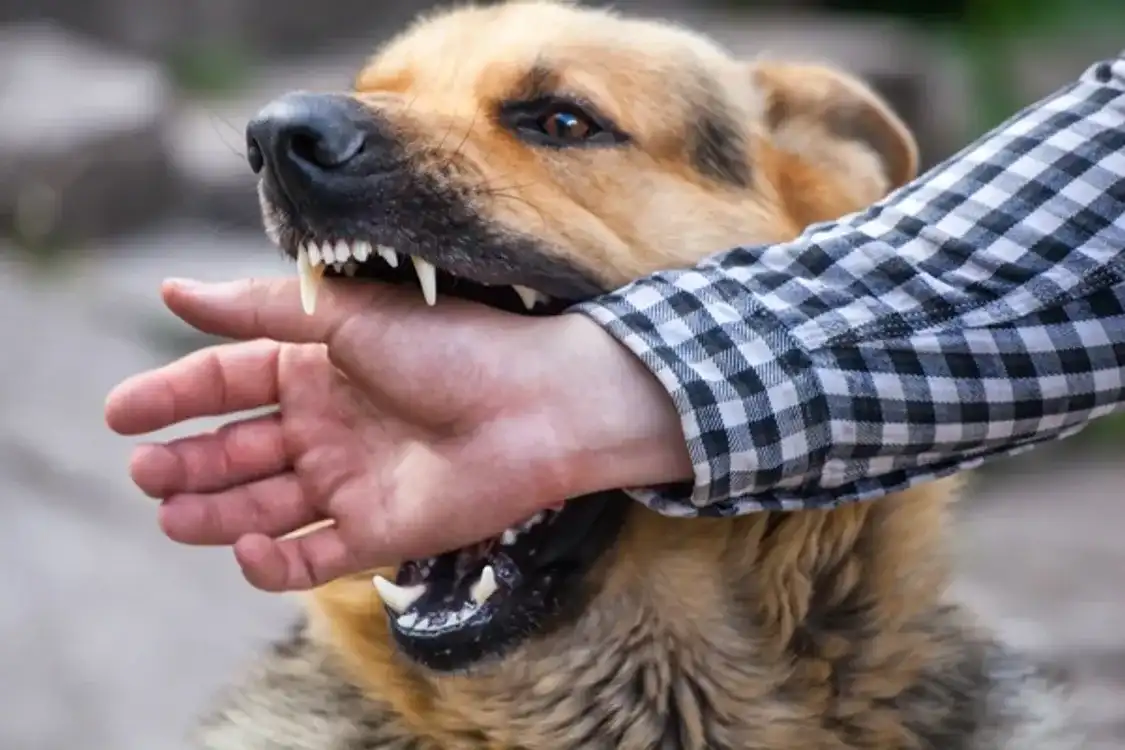
Does It Matter Whether the Dog Had Bitten Anyone Before
This depends entirely on which state you’re in, and it’s one of the biggest points of confusion for victims. In strict liability states, roughly 31 to 36 states depending on how it’s counted, the dog’s history doesn’t matter at all. If the dog bites someone lawfully present, the owner is responsible, even if the dog was previously known as the gentlest pet on the block.
In one-bite rule states, the dog’s history becomes central to your case. You’d need to show the owner knew, or reasonably should have known, that the dog had dangerous tendencies before the attack. This might come from a documented prior bite, but circumstantial evidence like neighbor complaints or witness accounts of past aggressive behavior can support your case too.
Can I File a Claim Against a Neighbor or Family Member
Yes, and this is genuinely one of the most common hesitations victims have. Many people worry about damaging a relationship or feel guilty pursuing a claim against someone they know personally. Here’s the reassuring part: most dog bite claims get paid through the owner’s homeowners or renters insurance policy, not out of their personal savings.
Understanding this distinction removes a lot of the emotional weight from the decision. You’re not asking your neighbor to hand over their own money; you’re filing a claim against the insurance they already pay premiums for specifically to cover situations like this.
What If I Was on the Owner’s Property Without Permission
Trespassing is one of the most significant factors that can affect your claim, particularly in strict liability states, which typically only protect people who were lawfully present at the time of the bite. If you were somewhere you weren’t legally allowed to be, your case becomes considerably harder to pursue under a strict liability theory.
That said, this doesn’t automatically eliminate every legal option. If the owner’s conduct was especially reckless, for example, deliberately allowing a known dangerous dog to roam near a public sidewalk, a separate negligence claim might still be worth exploring with an attorney familiar with your state’s specific rules.
Does It Matter If I Provoked the Dog
Yes, and provocation is one of the most commonly used defenses in dog bite cases, even in strict liability states. If you teased, hit, cornered, or otherwise aggravated the dog before it bit you, the owner may be able to avoid or significantly reduce their liability.
What counts as provocation varies quite a bit depending on the state and the specific facts. Reaching toward a dog to pet it usually doesn’t count as provocation. Deliberately pulling its tail or ears, or cornering it aggressively, generally does. Insurance companies sometimes stretch this definition further than what’s genuinely fair, which is exactly why clear documentation of what actually happened matters so much.
What Kind of Compensation Can I Actually Recover
Victims of a dog bite can generally pursue several categories of compensation. This includes medical expenses, covering everything from emergency treatment and stitches to reconstructive surgery for more serious facial injuries. Lost wages are recoverable if the injury kept you from working, and pain and suffering compensation addresses the physical and emotional toll of the attack, particularly in cases involving visible scarring or lasting psychological effects.
In cases involving children, courts and insurers often place significant weight on long-term emotional impact, since facial scarring or trauma experienced at a young age can affect someone well into adulthood.
Does My Own Health Insurance Get Involved
It can, particularly for your initial medical treatment. Many victims use their own health insurance to cover emergency care right after the bite, since waiting for a settlement before seeking treatment isn’t practical or safe. If your case eventually settles, your health insurer may have a right to be reimbursed for what they paid, a process called subrogation, out of your final settlement amount.
This is worth discussing with your attorney early on, since it affects how your total compensation gets calculated and distributed once a settlement is reached.
What Happens to the Dog After a Serious Bite
This is a genuine concern for many victims, especially when reporting the bite feels like it might lead to the dog being euthanized. In reality, that’s rarely the immediate or automatic outcome. Once a bite is reported to animal control, the dog typically goes through a quarantine period, often around ten days, to check for signs of rabies. This can frequently happen at the owner’s home if it’s properly secured.
If the attack was severe or the dog has a documented history of aggression, a formal hearing may be held where both the owner and the victim can present evidence about the animal’s temperament and the specific circumstances of the attack. Euthanasia is generally reserved for more extreme or repeated cases, not a routine first response.
Can I Still File a Claim If I Don’t Know Who Owns the Dog
It’s more difficult, but not necessarily impossible. Reporting the bite to animal control immediately gives authorities a chance to investigate and potentially identify the owner through licensing records, microchip information, or witness accounts. Checking local community groups or asking neighbors can sometimes help too.
If the owner genuinely can’t be identified, your options may shift toward using your own health insurance to cover treatment, or in some areas, exploring whether any local victim compensation programs apply. An attorney can help evaluate what’s realistically available in your specific situation.
How Long Do I Have to File a Claim
This depends on your state, and the range is fairly wide, generally somewhere between one and six years from the date of the bite. Some states, like Tennessee, use a shorter one-year window, while others, like Mississippi, extend it closer to three years or more depending on the circumstances.
If a government-owned animal, like a police K9, was involved, the timeline often shrinks significantly, sometimes requiring formal notice within just a few months. Missing either deadline generally means losing your right to pursue compensation entirely, so it’s worth confirming your specific state’s rule early rather than assuming you have plenty of time.
Is It Worth Pursuing a Claim for a Relatively Minor Bite
This depends on the specific circumstances, but it’s often worth at least a conversation with an attorney before deciding. What looks like a minor bite on the surface can sometimes lead to unexpected complications, like infection or scarring that becomes more noticeable as the wound heals. Many attorneys offer free consultations specifically so you can get a realistic sense of whether pursuing a claim makes sense, without any financial commitment upfront.
Even in cases that ultimately don’t warrant hiring an attorney, understanding your rights and the insurance claims process can help you negotiate a fair outcome directly with the insurance company.
FAQs
Q1. If the dog that bit me was later declared “dangerous” by animal control, does that automatically help my case?
It can help significantly, particularly in one-bite rule states where you need to show the owner knew about the dog’s dangerous tendencies. A formal dangerous dog designation, especially if it came before your incident or is based on a documented history, can serve as strong supporting evidence for your claim.
Q2. What if the dog owner claims their homeowners insurance doesn’t cover dog bites?
Some policies do exclude certain breeds or dogs with a documented bite history, so this is worth confirming directly rather than taking the owner’s word for it. An attorney can request the actual policy documents to verify coverage, and if the primary policy excludes the incident, there may be other applicable coverage, like an umbrella policy, worth exploring.
Q3. Can I pursue a claim if the bite happened while the dog was being walked by someone other than the owner, like a dog-sitter?
Yes, potentially against multiple parties. Depending on the circumstances, both the dog’s owner and the person who had control of the dog at the time, like a dog-sitter or walker, could share liability. This often depends on how much control that person had over the situation and whether they were negligent in handling the dog.
Q4. Does it matter if I’m an adult versus my child being the one who was bitten?
It can affect both the value of the claim and how it’s handled procedurally. Children are statistically the most common victims of dog bites, and cases involving them often receive greater consideration for long-term emotional and psychological impact. Additionally, any settlement involving a minor typically requires court approval to ensure the funds are properly protected until the child reaches adulthood.