A burn victim’s medical treatment doesn’t end when they leave the hospital. It often stretches across years of grafting procedures, scar revision surgeries, and psychological recovery long after the initial wound has closed. This creates a genuine problem when it comes to legal compensation: how do you calculate the true value of a case when the full extent of damage might not be clear for years? Understanding exactly how a burn injury claim moves from the accident to final compensation answers that question, and protects victims from settling for far less than their case is actually worth.
Unlike many injuries with a predictable recovery timeline, burn cases require a distinctly patient, methodical legal process. Here’s exactly how it works, step by step.
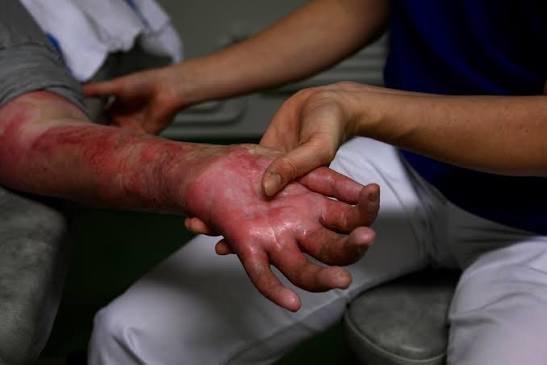
Step One: Immediate Medical Treatment and Documentation
Everything starts with getting proper medical care right away, and following through completely on treatment recommendations. Delayed treatment can genuinely worsen a burn injury’s severity, and it also creates documentation gaps that insurance companies later use to argue the injury wasn’t as serious as claimed.
Beyond the initial emergency care, it’s essential to document how the burn happened while details are still fresh. Photographs of the injury site, the scene where it occurred, and any conditions that contributed to it, like exposed wiring or a defective appliance, become critical evidence. Preserve any physical evidence too, since the heat and destruction from a fire can eliminate key clues about what caused it, and scenes often get cleaned up or repaired quickly afterward.
Step Two: Investigating What Actually Caused the Burn
Proving exactly what caused a fire or explosion is often more complicated than it first appears, since the heat and damage can destroy the very evidence needed to establish fault. Investigators typically need to examine burn patterns, electrical or gas systems, equipment condition, and maintenance records to determine where the fire actually started and who bears responsibility.
This investigation frequently requires engineers, fire investigators, or safety professionals who can analyze the scene before conditions change further. Acting quickly here matters enormously, since insurers and defendants often argue that a fire was simply unavoidable or caused by human error, an argument that becomes much harder to counter once physical evidence has disappeared.
Step Three: Identifying Every Potentially Liable Party
Burn cases frequently involve more than one responsible party. A fire caused by a defective gas appliance in a poorly maintained building might implicate both the product manufacturer and the property owner simultaneously. Each defendant brings their own separate insurance coverage, and pursuing every liable party can significantly increase the total compensation available, particularly important given how expensive burn treatment tends to be.
This step also matters for workplace burns specifically. While workers’ compensation typically covers your primary claim against your employer, if a third party, like an equipment manufacturer or a subcontractor, contributed to your burn, a separate personal injury lawsuit against that party may allow you to recover considerably more than workers’ compensation alone provides.
Step Four: Building the Full Medical Picture Over Time
This is where burn cases genuinely diverge from many other injury claims. Serious burns typically require multiple surgeries over an extended period. Skin graft procedures alone often cost upwards of $17,000 each, and many patients undergo several rounds. Scar contractures, meaning tightening of scar tissue that restricts movement in joints like hands, elbows, or the neck, frequently require additional reconstructive release procedures years after the initial injury.
Rehabilitation adds another layer entirely, often including occupational therapy to restore hand and arm function, physical therapy to regain mobility, and in facial or neck burns, speech and swallowing therapy. Psychological treatment for PTSD, depression, or body image concerns represents a genuine, ongoing medical need that must be properly documented as part of the overall case.
Step Five: Waiting for Maximum Medical Improvement
Given how extensive burn treatment can be, cases shouldn’t settle until the victim reaches maximum medical improvement, the point where doctors can reliably predict long-term needs rather than guess at them. For serious burn cases, this can genuinely take two to five years, accounting for multiple grafting procedures, reconstructive surgeries, and rehabilitation.
Settling before this point means closing a claim without knowing the true extent of future surgical needs, permanent functional limitations, or long-term psychological care requirements. Insurance adjusters typically offer settlements based on current medical bills alone; they won’t volunteer to account for a scar revision surgery you’ll need years down the road unless your legal team forces that consideration into the negotiation.
Step Six: Creating the Life Care Plan
In serious burn cases, a life care plan becomes the anchor of the entire claim. This document, prepared by a qualified specialist, projects every anticipated future medical need, additional surgeries, ongoing therapy, pressure garments, psychological treatment, and sometimes home modifications, translated into specific dollar figures based on your individual medical situation.
Because burn patients often have among the longest hospital stays of any injury type, and because future surgeries can run well into six figures each, this life care plan frequently represents the single largest component of a serious burn settlement. Settling before this plan is complete almost always leaves significant money on the table.
Step Seven: Calculating Lost Income and Earning Capacity
Beyond medical costs, burn injuries frequently affect a victim’s ability to work, both immediately and over the long term. In the short term, hospitalization and recovery often prevent any work entirely. Over time, scarring, chronic pain, and reduced mobility may limit the type of work someone can perform, particularly in physically demanding jobs or roles involving heat and hazardous materials.
Proving these losses typically requires employment records, job descriptions, medical restrictions, and vocational or economic experts who can assess work limitations and calculate the long-term financial impact of reduced earning capacity.
Step Eight: Documenting Non-Economic Damages
Pain and suffering, permanent scarring, and disfigurement represent some of the most significant categories of compensation in burn cases specifically. Establishing what these losses are worth requires more than simply describing them; it typically involves psychological evaluations and expert testimony that connects the visible injury to its genuine emotional and social impact on the victim’s daily life.
This category tends to carry particular weight with juries in burn cases, since the permanence and visibility of scarring creates a uniquely compelling picture of lasting harm compared to injuries that fully resolve over time.
Step Nine: Negotiating With the Insurance Company
Once the full medical picture, life care plan, and economic damages are assembled, your attorney sends a formal demand to the insurance company. Initial offers in burn cases are almost always considerably lower than the actual claim value, partly because insurers routinely fail to properly value the long-term nature of burn injuries the same way they might undervalue any serious, permanent injury.
With competent legal representation pushing back using thorough documentation and expert testimony, many burn cases ultimately settle for several times the amount of the initial offer, reflecting the true scope of damages once properly presented rather than the insurer’s initial lowball assessment.
Step Ten: Filing a Lawsuit and Reaching Resolution
If negotiations don’t produce a fair settlement, your attorney may file a formal lawsuit, which typically proceeds through evidence exchange, depositions, and continued negotiation, often through mediation. The overwhelming majority of burn injury claims, roughly 98 to 99 percent, ultimately settle rather than proceeding to a full trial.
Given the extended treatment timeline burn cases typically require, from initial injury through final resolution, the overall process regularly takes three to five years for serious cases, considerably longer than many other types of personal injury claims, precisely because thorough documentation of a lifetime of care simply requires that much time to build properly.
FAQs
Q1. Why does my burn injury case seem to be taking so much longer than a friend’s more straightforward injury claim?
Serious burn cases require reaching maximum medical improvement before a fair settlement can be calculated, and this can genuinely take two to five years given the multiple surgeries, scar revisions, and extended rehabilitation burn injuries typically require. This extended timeline reflects thorough case-building, not a problem with your specific claim.
Q2. Should I accept an early settlement offer if I need the money now for immediate expenses?
It’s generally best to wait until your treatment has stabilized before finalizing any settlement, since accepting early usually means settling for far less than your case is actually worth, particularly given how many burn cases require unforeseen future surgeries. Discuss any urgent financial pressure directly with your attorney, since options like partial advances or pre-settlement funding sometimes exist to help bridge the gap.
Q3. How do I know if I have a strong case if the exact cause of the fire isn’t immediately clear?
This is common in burn cases, since fires often destroy the very evidence needed to establish fault. An experienced attorney typically brings in fire investigators and engineers who can reconstruct what happened through burn patterns, electrical or maintenance records, and equipment analysis, even when the cause wasn’t obvious at first.
Q4. Will I need to go to trial for my burn injury case?
Very unlikely. The vast majority of burn injury claims, somewhere around 98 to 99 percent, resolve through settlement rather than trial. Filing a lawsuit sometimes becomes necessary to apply pressure on an insurer offering an inadequate settlement, but even then, most cases still settle before ever reaching a courtroom.