Losing a family member because someone else was careless is bad enough. Then comes the second gut punch: figuring out who’s going to fight for your family, all while you’re still trying to breathe through the grief. The lawyer you pick isn’t just a name on a business card. That one decision often determines whether your family gets fair compensation or settles for pennies because the wrong person handled the case.
Here’s the thing nobody tells you upfront. Not every personal injury lawyer is built for this kind of case. Some handle fender-benders every week but have never sat across from a family that just lost a father, a mother, or a child. Wrongful death cases demand a completely different skill set, and knowing what separates a good choice from a costly mistake can protect your family’s financial future.
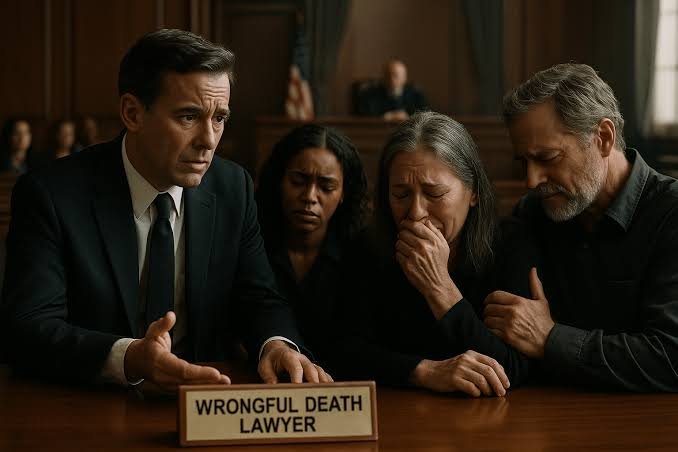
Why This Decision Matters More Than It Seems
A wrongful death claim is unlike a typical injury case. It involves proving that someone’s negligence directly caused a death, calculating losses that go far beyond medical bills, like lost future income, lost companionship, and lost household contributions, and navigating strict state-specific deadlines and rules about who’s even allowed to file.
Get the wrong lawyer, and you risk missed deadlines, an undervalued settlement, or worse, a dismissed case because of a procedural error. Get the right one, and your family stands a real chance of recovering what you’re actually owed.
Look for Real Wrongful Death Experience, Not Just Personal Injury Experience
Plenty of lawyers advertise personal injury services, but wrongful death is its own specialty within that field. A lawyer who mostly handles slip-and-falls or minor car accidents may not understand the probate issues, beneficiary rules, or damage calculations unique to a death case.
Ask directly: how many wrongful death cases has this lawyer handled, and how many actually went to trial? A lawyer who has tried cases in front of a jury, not just settled everything quietly, tends to get taken more seriously by insurance companies. Insurers keep records of which attorneys are willing to fight and which ones fold early. That reputation affects how generous their settlement offers are from the very first conversation.
Check Their Track Record, Not Just Their Website
Almost every law firm’s website claims to be the best. What actually matters is verifiable results. Look for case outcomes, verdicts, and settlements in situations similar to yours, whether that’s a car accident, a workplace fatality, or a medical negligence case.
Client reviews on Google or other independent platforms can offer a more honest picture. Pay attention not just to the star rating but to what people specifically say about communication, compassion, and follow-through. A lawyer with dozens of detailed, specific reviews is usually a safer bet than one with a handful of generic five-star ratings.
Ask About Financial Resources for Building the Case
Wrongful death cases often need outside experts to prove what happened and how much the loss is really worth. That can mean accident reconstruction specialists, forensic accountants, medical experts, or engineers, depending on the circumstances of the death.
These experts aren’t cheap, and a smaller or under-resourced firm may hesitate to invest in them, which weakens your case. Ask potential lawyers how they plan to fund the investigation and whether they’ve worked with expert witnesses before on similar cases.
Pay Attention to How They Communicate With You
You’ll likely be working with this lawyer for months, sometimes longer, during one of the hardest periods of your life. During your first conversation, notice how they explain things. Do they use plain language, or do they bury you in legal jargon? Do they seem genuinely interested in your family’s situation, or does it feel like they’re rushing you through an intake form?
A good wrongful death lawyer keeps you updated regularly, explains your options honestly, including when a settlement offer is fair versus lowball, and never pressures you into a decision you’re not comfortable with.
Understand the Fee Structure Before You Sign Anything
Most wrongful death attorneys work on a contingency basis, meaning they only get paid a percentage of whatever they recover for you. That’s standard and generally works in your favor since there’s no upfront cost.
That said, get everything in writing. Ask what percentage they take, whether that percentage changes if the case goes to trial instead of settling, and who covers costs like filing fees, expert witnesses, or depositions if the case doesn’t succeed. A lawyer who’s reluctant to put this in writing clearly is a red flag worth taking seriously.
Confirm They Know the Specific State Laws That Apply
Wrongful death laws vary significantly from state to state. Filing deadlines, who’s legally allowed to bring the claim, and what damages are recoverable can all differ depending on where the death occurred.
A lawyer working outside their usual jurisdiction, or one who’s vague about your state’s specific statute of limitations, may not have the depth of knowledge your case needs. During your consultation, ask them to explain the relevant deadline and filing rules for your situation. If they can’t answer clearly and confidently, that’s worth noting.
Consider Whether You Actually Connect With Them
This part gets overlooked constantly, but it matters. You want a lawyer who treats your family with genuine respect and patience, not someone who makes you feel like just another file on their desk. The relationship you build with your attorney often affects how comfortable you feel sharing important details about your loved one, details that can end up strengthening the emotional and financial value of your case.
Trust your gut here. If something feels off during your first meeting, whether it’s rushed answers or a lack of warmth, it’s worth exploring other options before committing.
Talk to More Than One Lawyer Before Deciding
Most reputable firms offer free consultations, so there’s little reason to commit to the very first lawyer you speak with. Meeting with two or three attorneys gives you a much clearer sense of who genuinely understands your situation, who has the resources to handle it properly, and who you feel most comfortable working alongside for the months ahead.
Come prepared with a short list of questions about experience, trial history, communication style, and fees. Comparing their answers side by side usually makes the right choice much clearer than it seemed at the start.
FAQs
Q1. Do I need a lawyer who specializes only in wrongful death, or is general personal injury experience enough?
General personal injury experience helps, but wrongful death cases involve extra layers like estate representation, beneficiary rules, and different damage categories. Look for a lawyer who lists wrongful death specifically as a core practice area and can point to relevant case results, not just general injury settlements.
Q2. How do I know if a lawyer is genuinely willing to go to trial, or if they’ll just push for a quick settlement?
Ask directly how many wrongful death cases they’ve taken to trial versus settled, and what the outcomes were. A lawyer with an actual trial record tends to negotiate from a stronger position, since insurance companies know they can’t be pressured into a lowball offer.
Q3. What questions should I ask during a free consultation?
Ask about their specific experience with cases like yours, how many they’ve tried in court, their fee structure and who covers case costs, how they plan to communicate with you throughout the process, and what your state’s deadline for filing looks like. Their answers should be direct and easy to understand.
Q4. Is it a bad sign if a lawyer promises a specific settlement amount right away?
Yes, treat that as a warning sign. No honest attorney can guarantee a specific outcome before investigating the facts of your case. A trustworthy lawyer will give you a realistic range based on similar past cases, while being upfront that every case depends on its own evidence and circumstances.