A traffic signal changes, another vehicle enters your lane, and within seconds an ordinary journey becomes a legal and financial problem. You may be standing beside a damaged car while dealing with pain, frightened passengers, impatient traffic, police questions, and an unfamiliar insurance process.
The actions taken during the first few hours can affect everything that follows. Missing evidence may make fault harder to prove. Delayed medical care can create questions about your injuries. A careless statement may be used by an insurer to reduce your claim. Even a seemingly simple accident can become complicated when the drivers disagree or the responsible person has inadequate insurance.
Car accident laws differ across the United States, so reporting requirements, compensation rules, and filing deadlines depend on the state. However, most claims follow a similar step-by-step process.
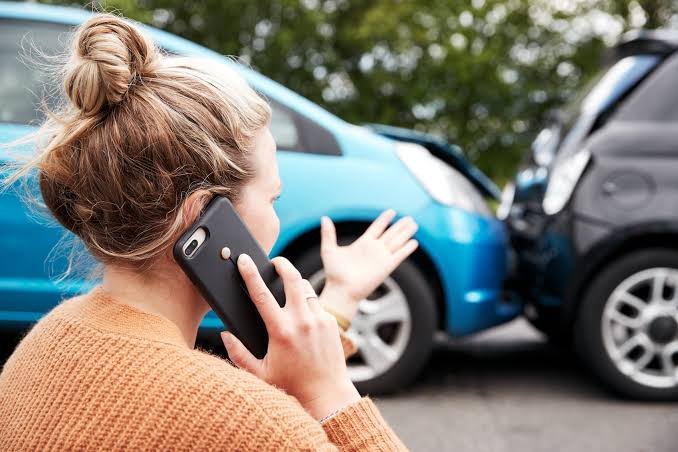
Step 1: Stop and Secure the Area
Never leave the accident scene without completing your legal duties. Stop your vehicle as close to the collision as safely possible and activate the hazard lights.
Check yourself and your passengers for injuries. Then, when it is safe, check the occupants of the other vehicles. Do not move a seriously injured person unless remaining in that position creates an immediate danger, such as fire or oncoming traffic.
Move drivable vehicles away from active lanes when local rules allow and it can be done safely. Before moving them, take photographs showing their original positions whenever possible.
Do not stand between vehicles or remain in a dangerous section of the road merely to collect evidence.
Step 2: Call 911 When Assistance Is Needed
Call 911 when anyone is injured, traffic is blocked, a driver appears intoxicated, a vehicle is unsafe to move, or the other person attempts to leave.
Tell the dispatcher:
- The accident location
- The number of vehicles involved
- Whether anyone appears injured
- Whether the road is blocked
- Whether there is fire, leaking fuel, or another danger
Even when an injury seems minor, requesting medical assistance may be appropriate. Accident-related symptoms can become more noticeable after the initial shock begins to fade.
For a minor collision, police attendance may depend on local policy. You may still need to file a separate accident report with a police department or motor vehicle authority.
Step 3: Exchange Complete Information
Collect more than the other driver’s name and phone number. You should obtain:
- Full name and current address
- Telephone number and email address
- Driver’s license details
- Insurance company and policy information
- Vehicle registration
- License plate number
- Vehicle make, model, and color
- Name of the registered vehicle owner
Photograph the driver’s license, insurance card, license plate, and registration when permitted. Check whether the driver owns the vehicle. An employer, rental company, relative, or business may own it and could become relevant to the claim.
Do not hand over original documents or allow someone to photograph unrelated personal information unnecessarily.
Step 4: Avoid Arguments and Admissions
Keep the conversation calm and limited to exchanging information and checking for injuries. Do not threaten the other driver or argue about who caused the crash.
Avoid statements such as:
- “It was completely my fault.”
- “I never saw your vehicle.”
- “I am not injured.”
- “There is hardly any damage.”
You may not yet know that the other driver was speeding, distracted, intoxicated, or violating a traffic signal. You may also develop symptoms later.
Be truthful when speaking with the police and insurers, but describe what you observed instead of making legal conclusions.
Step 5: Photograph the Entire Accident Scene
Close-up photographs of vehicle damage are useful, but they do not always explain how the crash happened. Record both the details and the wider scene.
Photograph or film:
- Every damaged vehicle
- The positions of the vehicles
- Points of impact
- Skid marks and debris
- Traffic lights and signs
- Lane markings
- Road construction or hazards
- Weather and visibility
- Damaged barriers or property
- Visible injuries
- Personal property damaged inside the vehicle
Take photographs from several angles. Also look for cameras on nearby shops, houses, parking facilities, buses, and traffic signals.
Do not trespass or place yourself in danger while collecting evidence.
Step 6: Find Independent Witnesses
A neutral witness may become important when each driver gives a different version of events.
Ask anyone who saw the collision for their:
- Full name
- Phone number
- Email address
- Brief description of what they observed
Do not pressure witnesses to support your position. Simply preserve their contact information so an insurer, investigator, or lawyer can speak with them later.
A passenger in your vehicle can provide evidence, but insurers may give additional weight to someone who has no relationship with either driver.
Step 7: Cooperate With the Police Investigation
When officers arrive, answer their questions accurately. Explain the direction you were travelling, your lane, the traffic signal, and what you saw immediately before the impact.
Do not guess about distance or speed when you genuinely do not know. Ask the officer for:
- Their name and badge number
- The police report or incident number
- Instructions for obtaining the report
- Information about any separate reporting requirement
A police report may contain witness details, driver statements, road conditions, citations, and the officer’s observations. It does not always make the final decision about legal responsibility, but it can be valuable evidence.
Review the report when it becomes available. Ask about the correction process if it contains a factual error.
Step 8: Obtain a Medical Evaluation
Do not assume that the absence of immediate pain means you are uninjured. Adrenaline can temporarily hide symptoms.
Seek medical attention when you experience:
- Neck or back pain
- Headaches or dizziness
- Confusion or memory problems
- Numbness or weakness
- Chest or abdominal pain
- Restricted movement
- Nausea or unusual fatigue
Tell the healthcare provider that the symptoms began after a motor vehicle collision. Describe them honestly and completely.
Follow treatment recommendations, attend appointments, and take prescribed medication properly. Large unexplained gaps in treatment may allow an insurer to question whether the accident caused the condition.
Keep all medical bills, reports, prescriptions, test results, work restrictions, and travel receipts.
Step 9: Notify Your Insurance Company
Report the accident to your own insurer promptly, even when another driver clearly appears responsible. Your policy may require timely notice and reasonable cooperation.
Provide:
- The date, time, and location
- The names of the drivers
- Police report information
- Photographs and videos
- Witness details
- A basic description of what happened
Do not speculate about fault or the future course of your injuries. It is reasonable to explain that medical treatment and vehicle inspections are continuing.
Ask which parts of your policy may apply, including collision coverage, rental reimbursement, medical payments coverage, personal injury protection, and uninsured or underinsured motorist coverage.
Step 10: Open the Property Damage Claim
The insurance company may inspect the vehicle, request estimates, or ask you to visit an approved repair facility.
Before repairs begin:
- Photograph the vehicle thoroughly
- Remove personal belongings
- Save towing and storage receipts
- Obtain written repair estimates
- Ask whether hidden damage can be added later
- Confirm how rental transportation will be handled
If repairs cost too much compared with the vehicle’s pre-accident value, the insurer may declare it a total loss.
Review the valuation carefully. Check the mileage, trim level, optional equipment, condition, and comparable local vehicles. Provide maintenance records and suitable listings when the valuation appears too low.
Do not sell, repair, or dispose of a seriously damaged vehicle before all relevant parties have had a reasonable opportunity to inspect it.
Step 11: Identify Every Available Insurance Policy
The responsible driver’s liability policy may not be the only source of compensation.
Depending on the accident, coverage may be available through:
- Your collision insurance
- Personal injury protection
- Medical payments coverage
- Uninsured motorist insurance
- Underinsured motorist insurance
- A rideshare company
- A commercial vehicle policy
- The vehicle owner’s policy
- An employer’s insurance
- A household auto policy
Coverage can become complicated when the driver was working, delivering goods, transporting passengers, or using someone else’s vehicle.
Request written explanations when an insurer denies coverage or claims that another policy must pay first.
Step 12: Document Every Financial and Personal Loss
An insurer cannot accurately calculate losses that have not been documented.
Create a claim file containing:
- Medical bills and records
- Repair estimates
- Prescription receipts
- Towing and storage charges
- Rental vehicle expenses
- Transportation costs
- Employer letters
- Pay statements
- Tax or business records
- Photographs of injuries
- Replacement costs for damaged property
Maintain a simple recovery journal. Record pain levels, sleep problems, missed work, cancelled activities, mobility restrictions, and assistance needed at home.
Self-employed people should preserve invoices, contracts, calendars, client communications, and previous income records showing how the injury affected the business.
Step 13: Handle Insurance Statements Carefully
An adjuster may ask for a recorded statement. First determine whether the adjuster works for your insurer or the other driver’s company.
Your own policy may require reasonable cooperation. The other insurer does not represent you and may use your answers to challenge fault or minimize injuries.
Do not guess about speed, distance, or medical recovery. Avoid signing a broad medical authorization without understanding which records it permits the insurer to collect.
Serious injury, disputed fault, multiple vehicles, or complicated coverage may justify speaking with a lawyer before providing a detailed recorded interview.
Step 14: Wait Until the Injury Can Be Evaluated
Settling too early is one of the most costly mistakes an accident victim can make. Initial medical bills may not show whether you will need surgery, extended therapy, future medication, or permanent work restrictions.
Before valuing the claim, consider:
- Past medical expenses
- Expected future treatment
- Lost wages
- Reduced earning ability
- Pain and physical limitations
- Permanent impairment
- Scarring or disfigurement
- Household assistance
Medical treatment should continue only as reasonably necessary. However, an injury settlement should not be finalized before its likely long-term effect is understood.
Step 15: Prepare and Negotiate the Claim
Once the losses can be evaluated, the claimant or attorney may submit a settlement demand supported by evidence.
The insurer may accept the demand, deny responsibility, request more information, or make a lower offer. A first offer is not automatically the final amount.
Ask the adjuster to explain the valuation. Respond with missing records, stronger evidence, and a reasoned counteroffer.
Settlement value may depend on injury severity, available insurance, proof of fault, medical history, lost income, future care, and the state’s shared-fault rules.
Step 16: Review the Release Before Accepting Payment
A settlement normally requires you to sign a release giving up the right to seek additional compensation from specified parties.
Read the document carefully. Confirm:
- The settlement amount
- The claims being resolved
- The parties being released
- Whether property damage is included
- How medical liens will be handled
- Whether confidentiality is required
- Whether all information is accurate
Once a full release is signed, reopening the claim is usually extremely difficult, even if symptoms later become worse.
Remember that the gross settlement may be reduced by medical balances, reimbursement claims, legal fees, and case expenses.
Step 17: Consider a Lawsuit When Settlement Fails
A lawsuit may become necessary when the insurer denies responsibility, disputes the injuries, offers inadequate compensation, or refuses to negotiate reasonably.
The legal process may include written questions, document requests, depositions, medical examinations, expert evidence, mediation, and trial.
Filing a lawsuit does not mean the case will definitely reach a courtroom. Many claims settle during litigation.
Do not ignore the statute of limitations. Each state sets deadlines for personal injury, property damage, and wrongful death lawsuits. Claims against government agencies may require notice much earlier. Continuing insurance negotiations may not extend these deadlines.
Frequently Asked Questions
Q1. What should I do when the other driver asks to settle privately?
Document the accident, exchange complete information, notify your insurer, and follow state reporting rules. A private payment promise may fail when repairs become more expensive or the driver later disputes responsibility.
Q2. Can I use my own insurance when the other driver caused the accident?
Yes, depending on your coverage. Collision insurance may pay for vehicle damage more quickly, subject to the deductible. Your insurer may later seek reimbursement from the responsible party.
Q3. How long should I keep car accident documents?
Keep all accident, insurance, medical, employment, repair, and settlement records until the claim is fully resolved and any related tax or reimbursement questions have been addressed. Serious cases may require longer retention.
Q4. When should I contact a car accident lawyer?
Consider legal advice when injuries are serious, fault is disputed, several parties are involved, the insurer denies coverage, a commercial or government vehicle is involved, or the filing deadline is approaching.